Cultural things to know about moving to the US
Topics covered:
Mandatory tipping
The US customary system (which is not technically the Imperial system)
"How are you?" as a greeting
Free drink refills
Holidays that feel like seasons
Extra-large portions
Chicken lobster
If you live in Boston or anywhere else in the US long enough, many aspects of daily life start to feel completely normal. Meanwhile, visitors and new arrivals are left trying to make sense of it all. From social behaviors to systems and unspoken expectations, these patterns are so embedded in everyday life that they often go unnoticed. It’s usually only when stepping outside the US or speaking with someone from abroad that you realize how distinctly American these “normal” experiences actually are.
Here are the cultural things to know about Boston and the US at large that will help you assimilate your move.
Love this? Don't get to check out Part 1 about hyper-local quirks that define life in Boston.
1. Tipping isn’t optional; it’s part of the paycheck
Coming to terms with tipping, knowing when to tip, and how much to tip is likely the biggest adjustment for newcomers settling in the US.
Need to know: Tipping in the US is not an act of generosity. Much as it goes against the spirit of tipping, tipping has evolved to be mandatory as service workers are often paid below the standard minimum wage. This is due to a policy known as “tip credit,” which allows employers to rely on tips to bridge the gap to minimum wage. For example, in MA, employers can pay tipped workers as little as $6.75/hr on the expectation that tips will make up the remaining $8.25 to reach the $15 hourly minimum wage.
These are the common expectations that apply to Boston:
Restaurants: 15 - 20%
Hair/nail salons: 15-20%
Food delivery: 15%
Hate to tip? Don't eat in a restaurant- there is no need to tip if you order and self-collect food for take-out.
2. Miles, pounds, Fahrenheit, and the math you didn’t ask for
While the rest of the world uses the metric system, the US rejects it all and marches to its own beat with the US Customary System. Measurements are similar to units of the Imperial system (in which the British themselves have largely abandoned), though not precisely the same.
Length: Inch, foot, yard, and miles... not meters
1 inch = 2.54cm
1 foot = 12 inches
1 yard = 3 feet (yard is applicable when you watch American football 🏈)
1 mile = 1,760 yards
1 yard is pretty close to 1 meter. Driving at 62mph is approximately 100km/hr.
Weight: Pounds... not kilograms
Body weight, groceries, and packages are measured in pounds.
1 pound = 0.45 kg
Divide pounds by 2 for a rough kg estimate.
Temperature: Fahrenheit... not Celsius
Temperature is where most newcomers get confused.
32°F = 0°C (freezing)
68°F = 20°C (room temperature)
77°F = 25°C (warm day)
Quick conversion tip: Subtract 30, then divide by 2. Example 70°F → (70-30) ÷ 2 = about 20°C. It’s not exact, but it’s close enough for everyday life.
Dates: MM/DD/YYYY... not DD/MM/YYYY
Now you can read that expiration date right.
Volume: Gallon... not litres
Applicable when taking gas and buying milk.
1 gallon = 3.78 liters.
3. “How are you?” is not a question (don’t answer it like one)
If someone in America says, "How are you?" they aren't expecting your life story. It functions more like a "hello" than an actual wellness check. Acceptable responses are variations of the following:
Good, how are you?
Doing well, how about you?
Not bad, yourself?
Good, thanks for asking.
Newcomers make the mistake of answering the first time honestly and brutally realizing that the conversation wasn't meant to go that deep. It’s less about the answer and more about surface politeness.
In time to come, you'll catch yourself blurting "how are you" and "good" in a manner that is out of context when greeting another person. No need to feel embarrassed; the other party does not care.
4. Yes, your soda is bottomless, and no, there’s no catch
There is no catch - refills are free, so go ahead to feel very entitled that your one purchase of a cup of soda or lemonade is essentially a bottomless drink. You'll learn to read the situations that allow free refills after a while: coffee at a diner - yes. Starbucks - no. Alcohol is a no-no, obviously.
In general, if a server asks if you'd like a refill, the answer is "yes".
5. In America, holidays don’t last a day… they take over the calendar
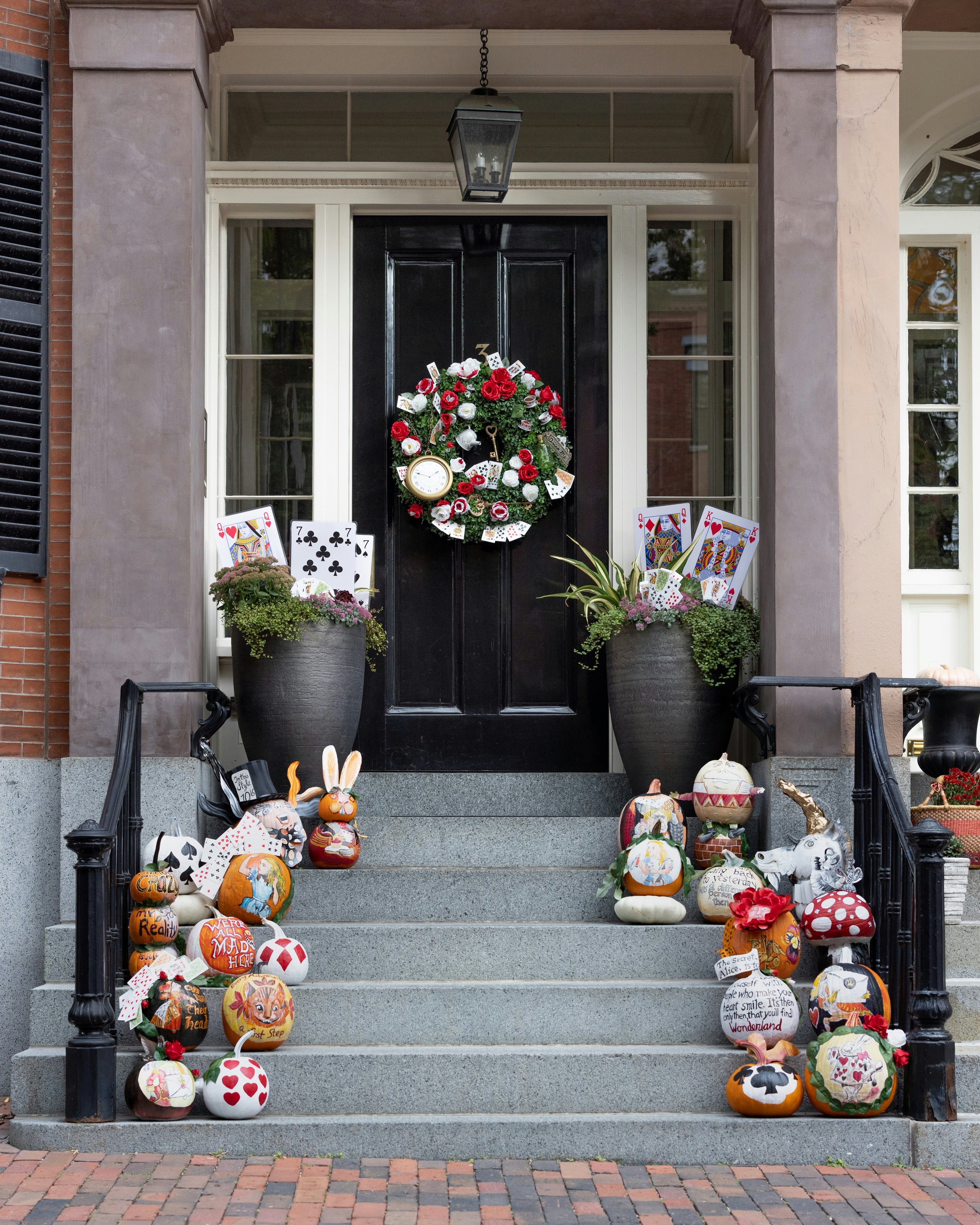

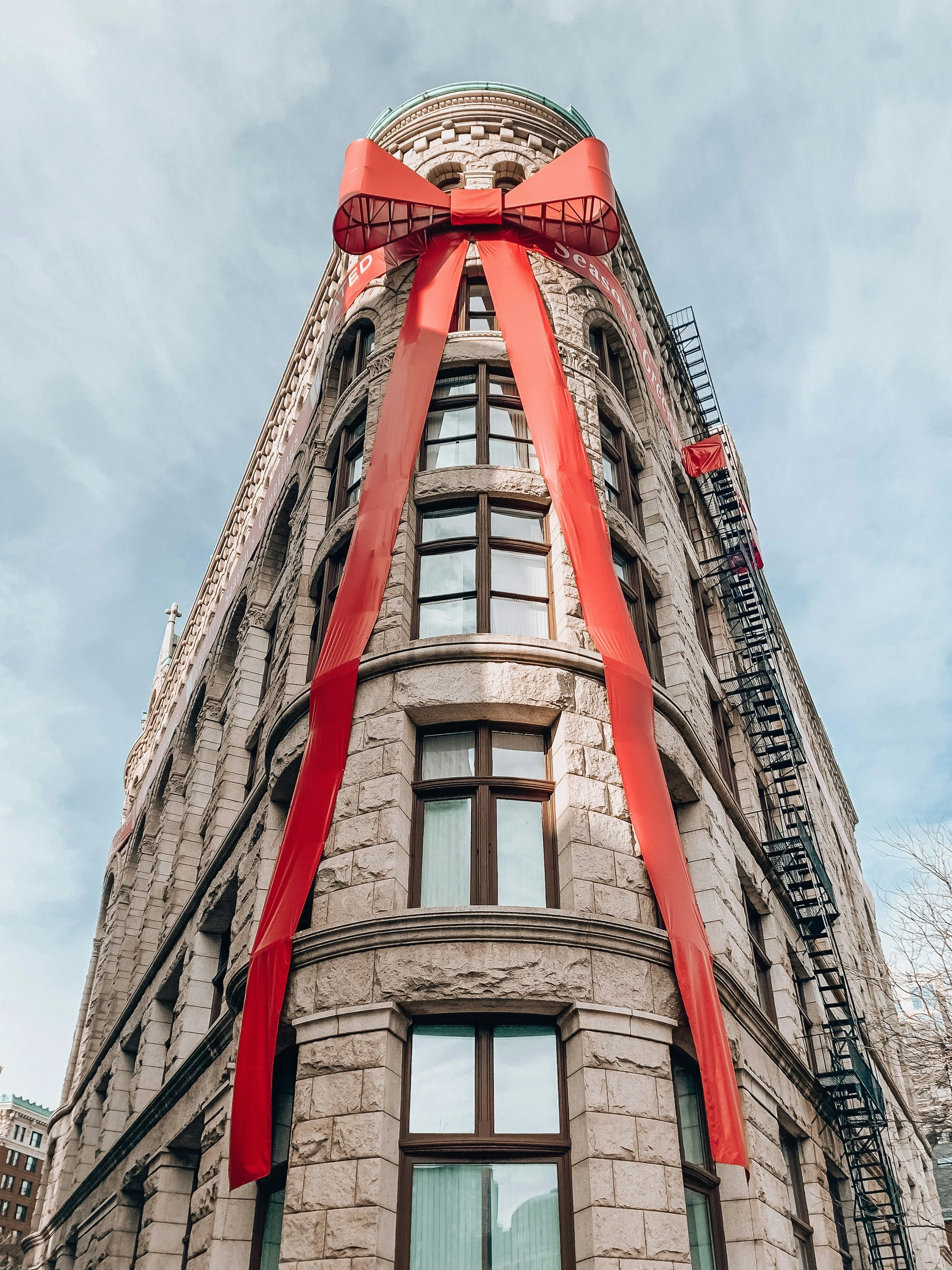
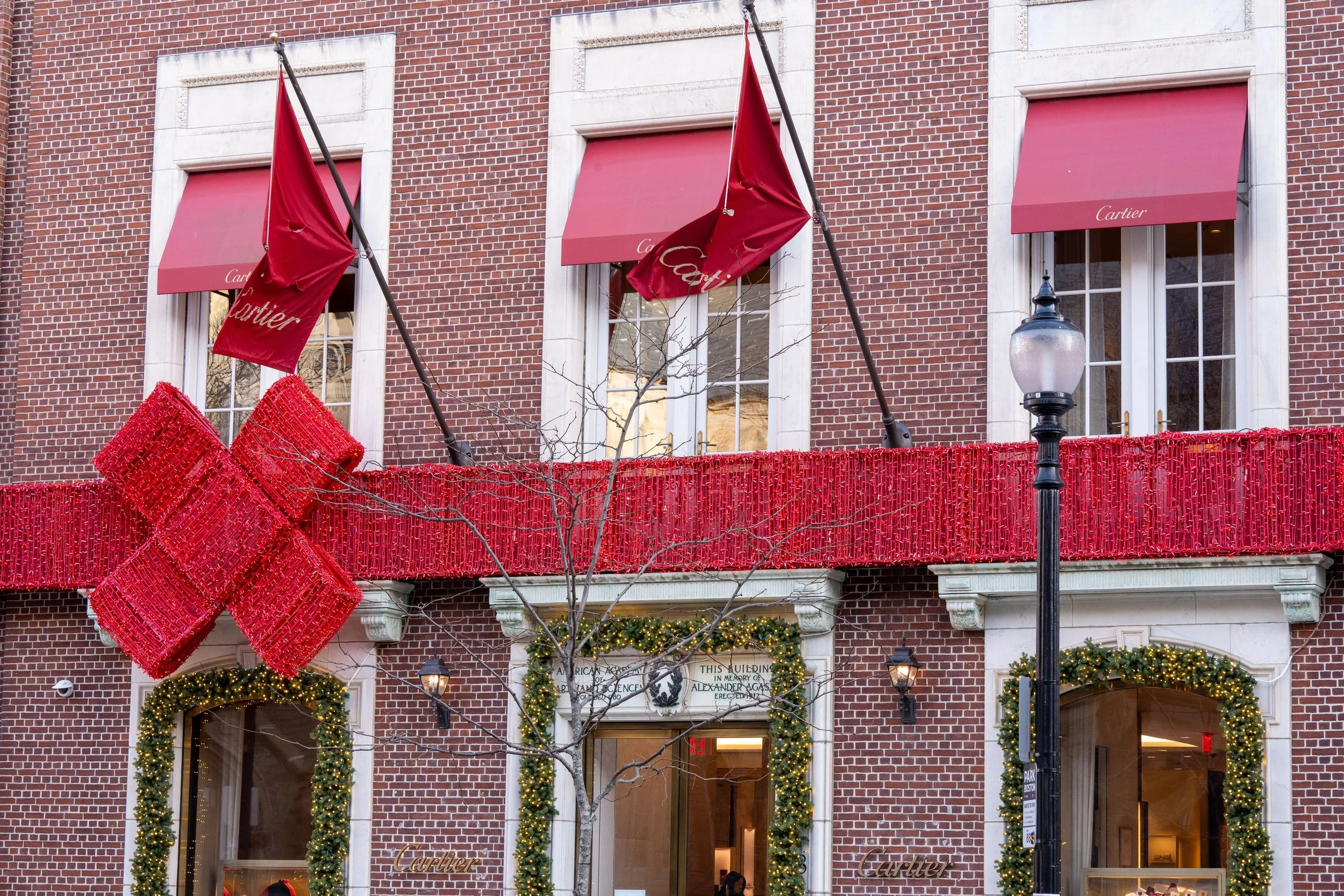
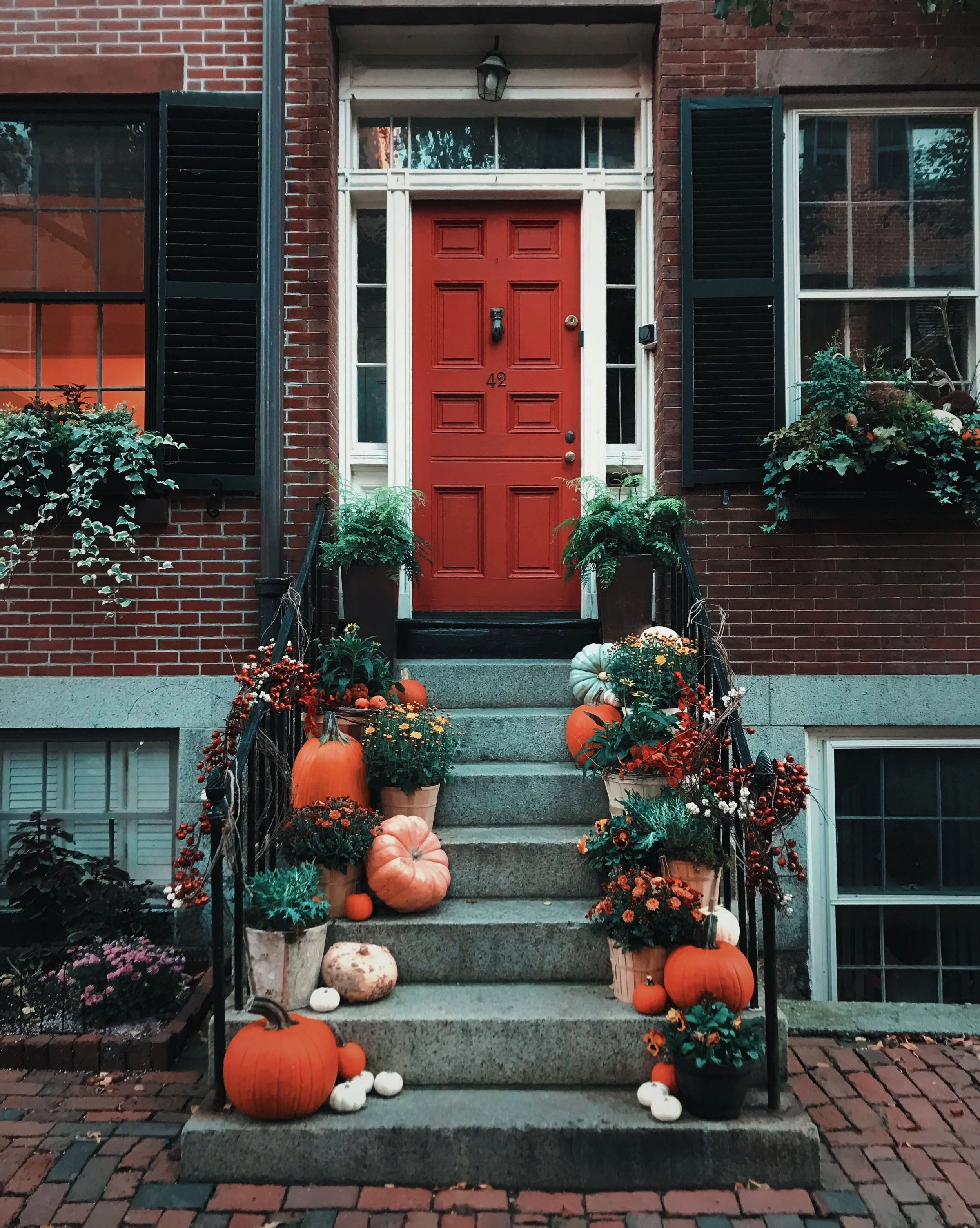
In many places, holidays are just that - a day. In America, holidays often capture an atmosphere or translate to an entire season.
This is perhaps most evident with the arrival of Halloween, when “spooky season” begins as early as September and quickly turns Fall into full-blown pumpkin spice season, where everything from coffee to home fragrances is recalibrated to match a specific seasonal aesthetic.
"The holidays" effectively begin the week of Thanksgiving through mid-January of the next year.
America lives in a perpetual cycle of seasonal decor as retail, food, marketing, and even social activities shift around holidays that can feel very immersive compared to other countries.
6. A meal in the US could be rationed into two (or three) meals
If your first reaction to a restaurant meal in America was "Is this meant for two people?" - you are not alone.
In many countries, restaurant portions are designed to be finished in one sitting, helping to minimize food waste. In the US, however, portions can be significantly larger and often large enough for a single entrée to provide leftovers for another meal. Packing leftovers to go is such a common practice that servers would often offer a to-go box before one has to ask.
7. A chicken lobster is still, a lobster
If you see "chicken lobster" on a menu in Boston (or New England in general), don't expect poultry.
It's simply a regional term used to describe smaller lobsters (usually 1-1.25 lbs), and considered the ideal size for eating. The meat tends to be more tender, thus a popular size amongst locals.
Do go ahead to order a "chicken" at a seafood market.
Relocating isn't just about finding a place to live - it's about understanding the everyday things nobody warns you about. If you're planning a move to Boston or the US, explore more guides on The Boston Alien to help you settle in with confidence.