Schooling Advice For International Families Relocating to Boston
Guest contributor: Lucy Roberts of Boston Family Landing
Topics covered:
Parent Involvement Is a Big Part of School Life in Boston
Choosing the Right School District Matters More Than the School Building
Extracurricular Activities Can Be a Significant Expense
Communication Is Frequent
Building a Community Takes Effort, But It’s Worth It
The Best School District Depends on Your Family
Moving to the Boston area with children can be exciting, but for many international families relocating to Boston, understanding the local school culture can be one of the biggest challenges.
As a British parent who has relocated internationally and now lives in the Boston suburbs, I’ve helped several families navigate the transition. While Boston is known for its excellent schools and highly rated school districts, it’s not the academics that usually catch parents off guard - it’s everything else.
From parent involvement and school communication to extracurricular activities, here are some of the things international families are often surprised to discover after they arrive.
1. Parent Involvement Is a Big Part of School Life in Boston
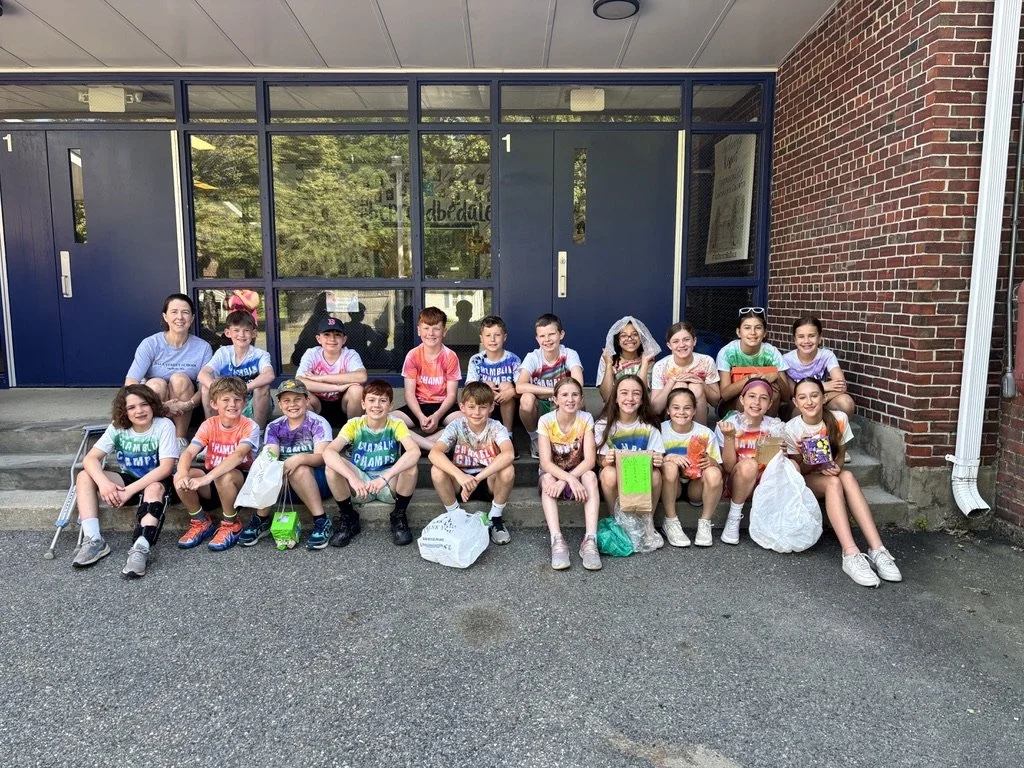
Many international parents are surprised by just how involved schools expect families to be.
Schools communicate frequently through emails, apps, newsletters, volunteer opportunities, fundraising events, parent-teacher organizations (PTOs), classroom celebrations, and school-wide activities.
Participation isn’t mandatory, but involvement is often viewed as part of the school community experience.
For families arriving from countries where schools operate more independently, the volume of communication can feel overwhelming at first!
2. Choosing the Right School District Matters More Than the School Building
One of the biggest differences for newcomers is understanding the importance of where you live.
In Massachusetts, your home address typically determines which public school your child attends. Families often spend considerable time researching towns and school districts before deciding where to live.
A highly rated district may offer different opportunities, resources, and educational experiences than a neighboring town just a few miles away. While school rankings are often a starting point, it is important to look beyond the numbers. Factors such as commute times, community feel, extracurricular opportunities, support services, and the individual needs of a child can all play an important role in determining the best fit.
Many families use websites such as GreatSchools.org and the Massachusetts Department of Elementary and Secondary Education (DESE) to research districts. Whenever possible, I also encourage parents to visit towns in person, speak with local families, and consider whether the town and community feel like the right fit for their family. The highest-ranked district isn’t necessarily the right choice for every child.
3. Extracurricular Activities Can Be a Significant Expense
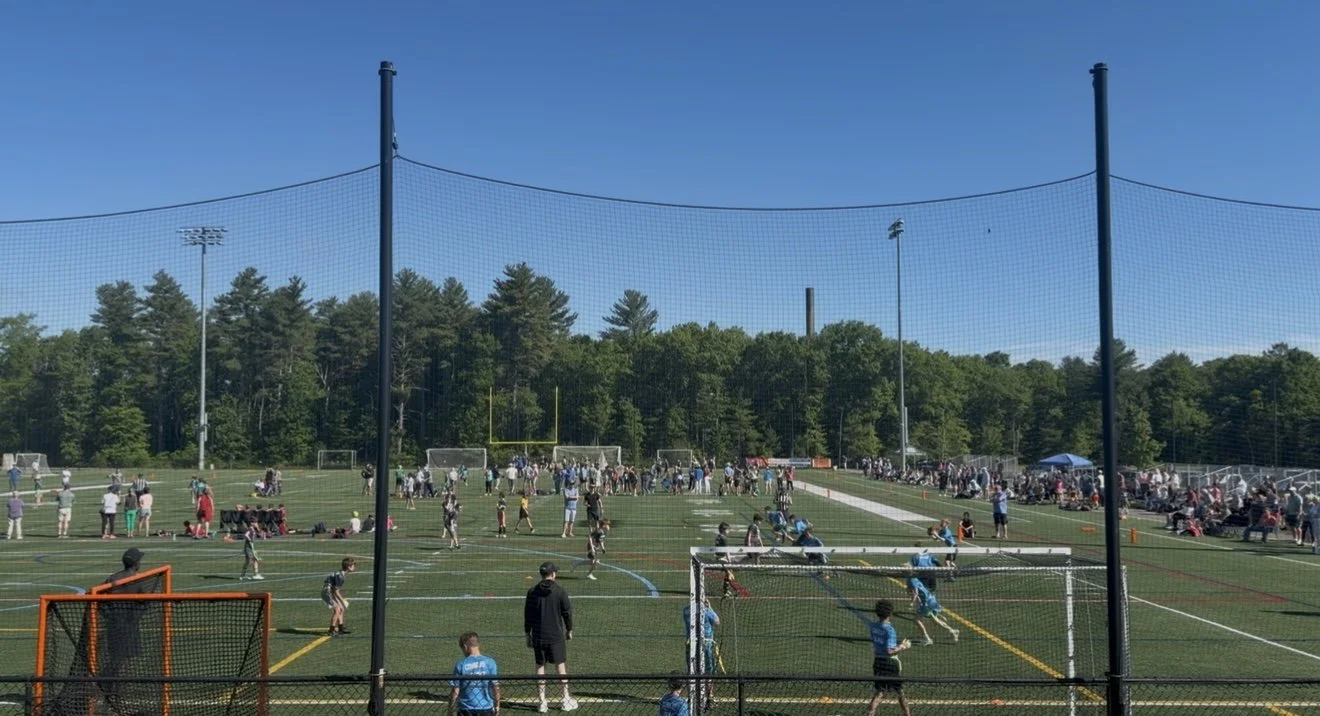
It is helpful for relocating families to understand that extracurricular activities often form a significant part of family life and family budgets in the Boston area. Sports, dance, music lessons, theater programs, scouts, robotics clubs, tutoring, and summer camps are all popular, but they can add up quickly.
Depending on the activity, families may also need to budget for uniforms, equipment, travel, competition fees, costumes, fundraising commitments, or private coaching.
Summer camps are often one of the biggest surprises. While camps can be a fantastic way for children to stay active and social during the long summer break, many families are surprised to discover that they can cost anywhere from $300 to well over $1,000 per week, per child.
The good news is that there are activities available at a wide range of price points!
4. Communication Is Frequent
Teachers and schools generally communicate far more than many international families expect.
You’ll likely receive updates about academic progress, classroom activities, upcoming events, field trips, volunteer opportunities, and school announcements.
The good news is that you’ll rarely feel uninformed. The challenge is keeping up with it all!
5. Building a Community Takes Effort, But It’s Worth It
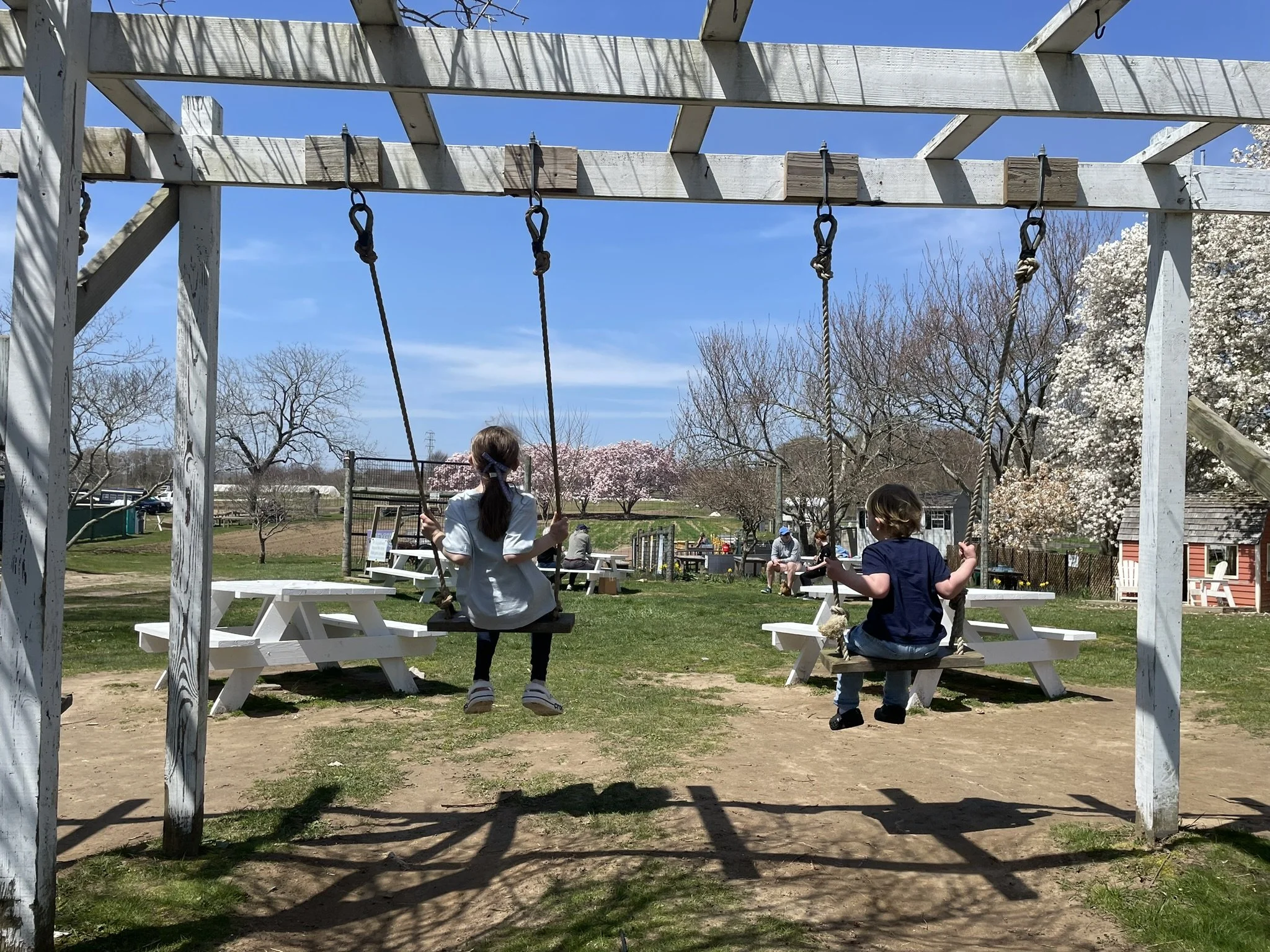
For many relocating families, making friends is one of the biggest concerns.
Schools often become the center of community life. Playdates, sports teams, school events, and parent groups can all help families build connections surprisingly quickly.
The first few months may feel unfamiliar, but most families find that school communities become one of the fastest ways to establish a support network.
6. The Best School District Depends on Your Family
Families often arrive determined to find the highest-ranked school district.
While academic performance is important, the best fit also depends on your child’s personality, interests, learning style, and your family’s priorities.
Some families prioritize academics. Others value community feel, extracurricular opportunities, diversity, class size, or support services.
The right choice looks different for every family.
Final Thoughts
While Boston is home to some of the strongest public and private schools in the United States, understanding the culture around education can be just as important as understanding the curriculum itself.
For international families, the biggest adjustment is often not helping children adapt- it’s learning how schools, parents, and communities work together.
Once families understand those expectations, settling into school life becomes much easier.
If you're planning a move to the Greater Boston area and would like guidance on schools, neighborhoods, or activities, feel free to contact me!
About the guest contributor:
Lucy Roberts is the founder of Boston Family Landing, helping international families relocate and settle confidently in the Greater Boston area. Having relocated internationally, she provides practical guidance on schools, communities, activities, and everyday family life in Boston’s suburbs. Her insights are informed by both personal experience and her work supporting families.
To learn more about Boston Family Landing, connect with Lucy on LinkedIn or get in touch directly.