Common scam tactics and warning signs in America: What everyone should know
Topic covered:
Impersonation
Creating a sense of urgency
Using fear or excitement
Requesting unusual payment methods
Asking for personal information
Too-good-to-be-true offers
Poor communication and inconsistencies
Scams are everywhere in the US, and they can target anyone. A phone call from someone claiming to be the IRS, a text message about an undelivered package, a too-good-to-be-true investment opportunity, or a request for payment in gift cards may seem harmless at first… but these are some of the most common scams in the US today. Fraudsters use a variety of tactics to steal money, personal information, and even identities.
Although scam tactics continue to evolve, most fall into familiar patterns. In this guide, we'll reveal some common scams in the US. Understanding how these scams work and recognizing their warning signs can help you avoid becoming a victim.
Common scam tactics and warning signs:
Although scams come in many forms, most rely on a surprisingly small number of tactics. Whether a scammer is impersonating a government official, offering an investment opportunity, advertising a fake rental property, or building a romantic relationship online, the underlying methods are often the same.
1. Impersonation
Scammers frequently pretend to be someone they are not. They may claim to represent a government agency, such as the IRS, your bank's fraud department, employer, landlord, utility company, a tech support representative fixing a "virus," or even a friend of a panicked family member. In some cases, scammers target renters by posing as landlords or property managers and requesting deposits, application fees, or personal information for fake listings.
According to our article Facts about renting in Boston as told by this real estate agent, renters should be cautious about sharing sensitive information such as SSN, driver's license details, or bank information, and should never transfer money unless they are certain the listing and individual are legitimate. In some cases, scammers may use technology to clone phone numbers, mimic email addresses, or build carbon-copy websites that appear legitimate. Always verify a person's identity through official channels before sharing information or sending money.
Someone has taken the details of one of Joan's recent listings and is posing as the landlord of the apartment on roomies.com.
2. Creating a sense of urgency
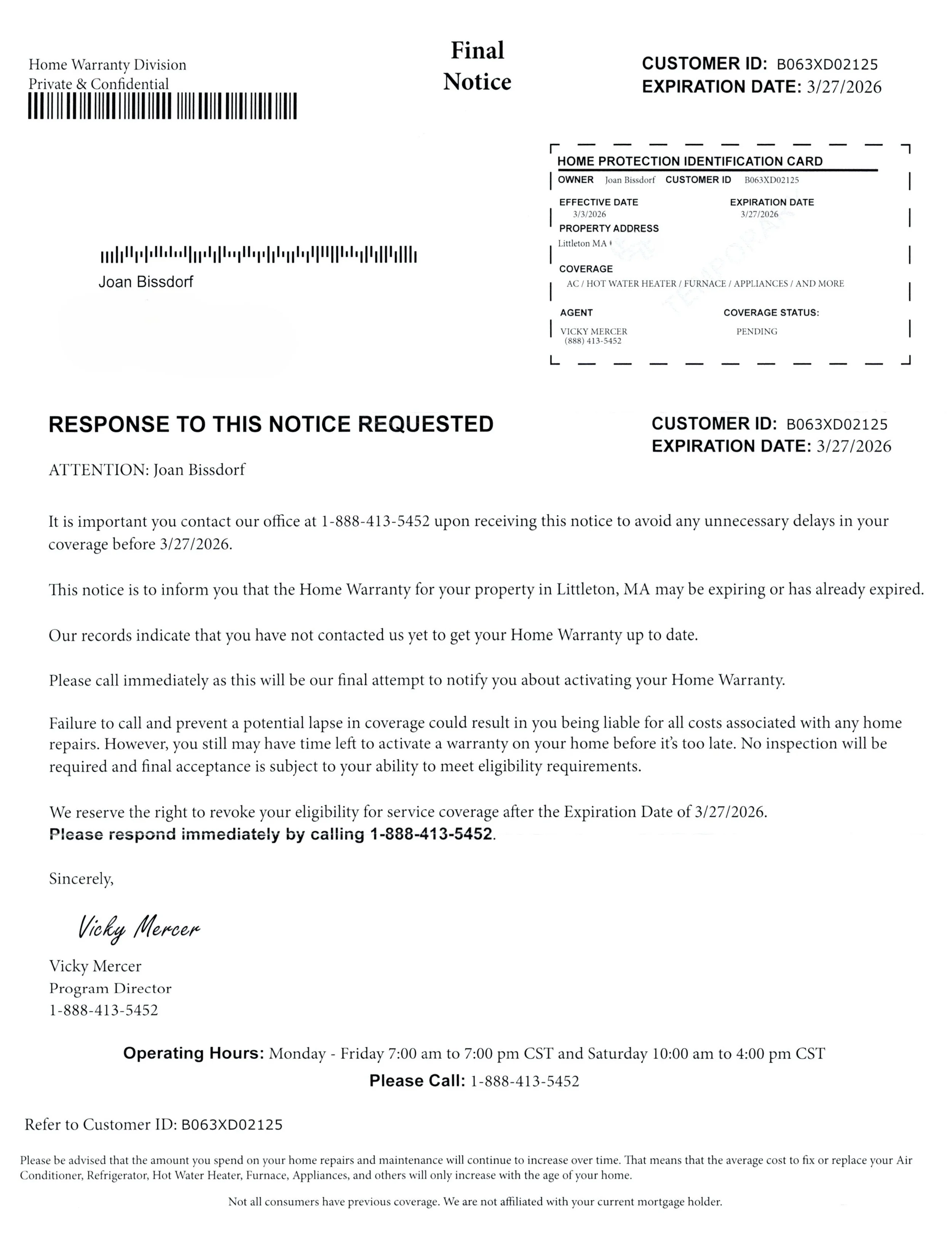
One of the most common scam tactics is creating pressure to act immediately. Scammers know that people are less likely to think critically when they feel cornered. You may be told that your service is about to be disconnected, your immigration status is at risk, a "can't miss" investment opportunity is about to expire, or even that your SSN has been suspended - which is a complete myth. SSNs do not get suspended. Ever.
Whenever you feel rushed to move money, share personal information, or make a decision on the spot, pause and verify the situation. Slowing down is your best defense.
3. Using fear or excitement
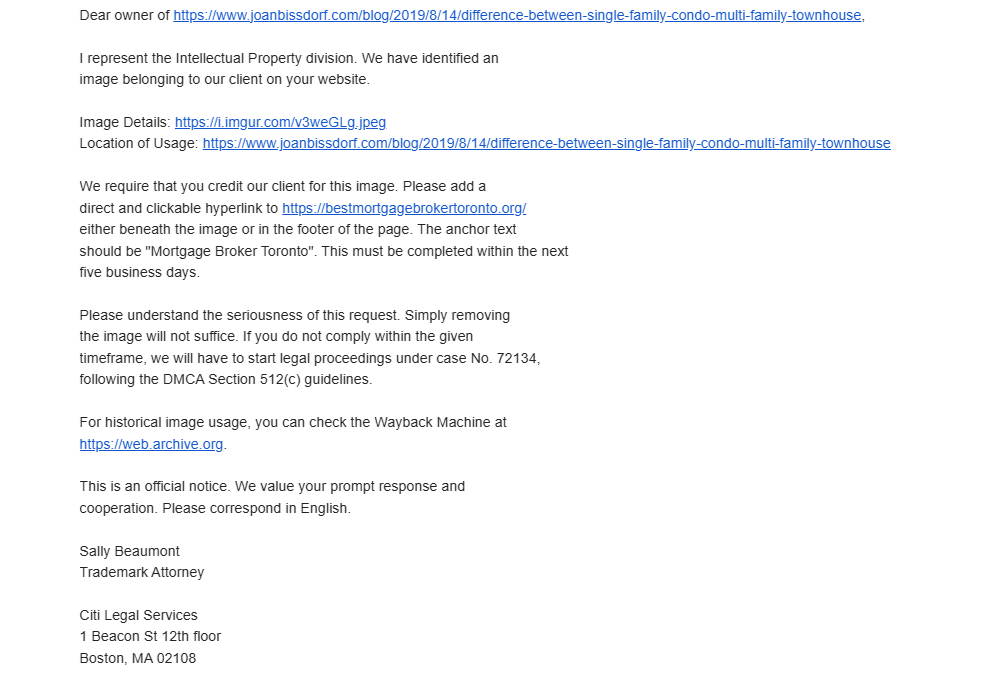
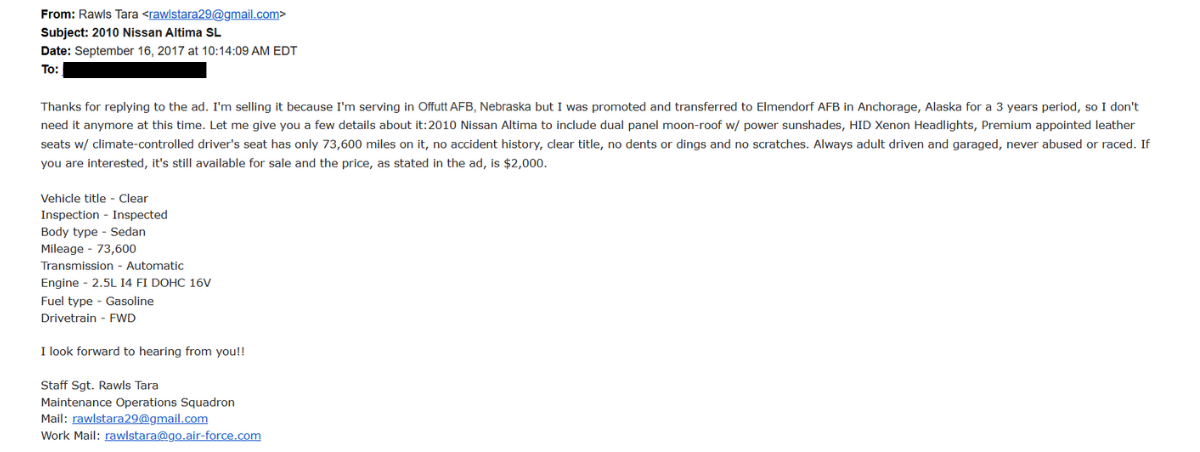
Scammers often manipulate emotions to influence decision-making. Some scams rely on fear by threatening arrest, legal action, account suspension, or financial penalties. Others rely on excitement by promising prizes, investment returns, refunds, or exclusive opportunities.
Both approaches are designed to trigger a strong emotional response and discourage rational thinking, making you more likely to act before you have time to fully evaluate the situation.
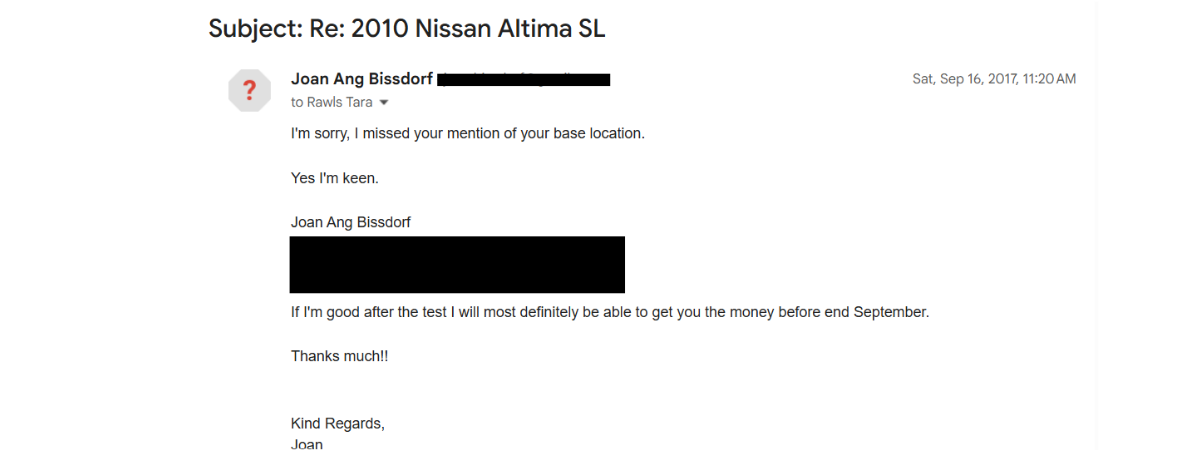
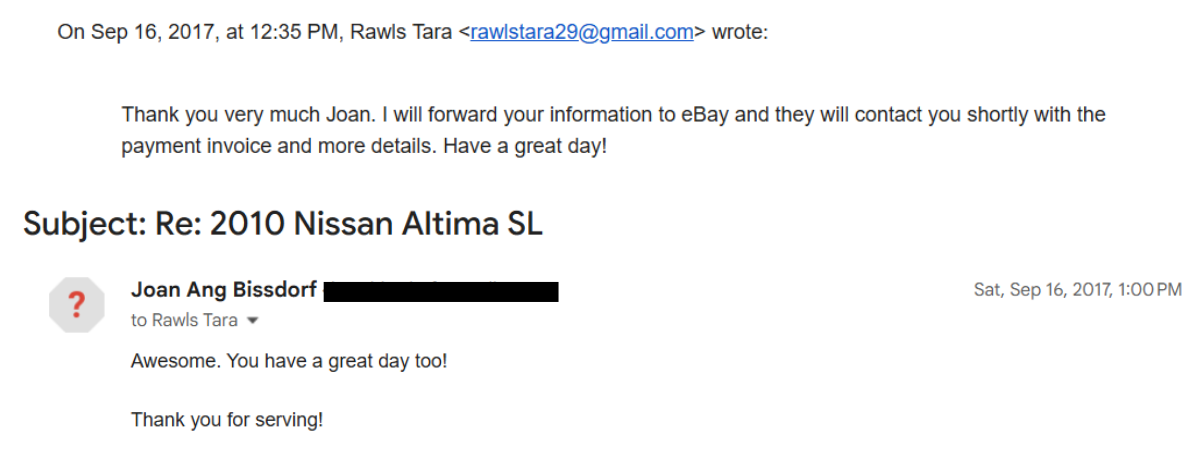
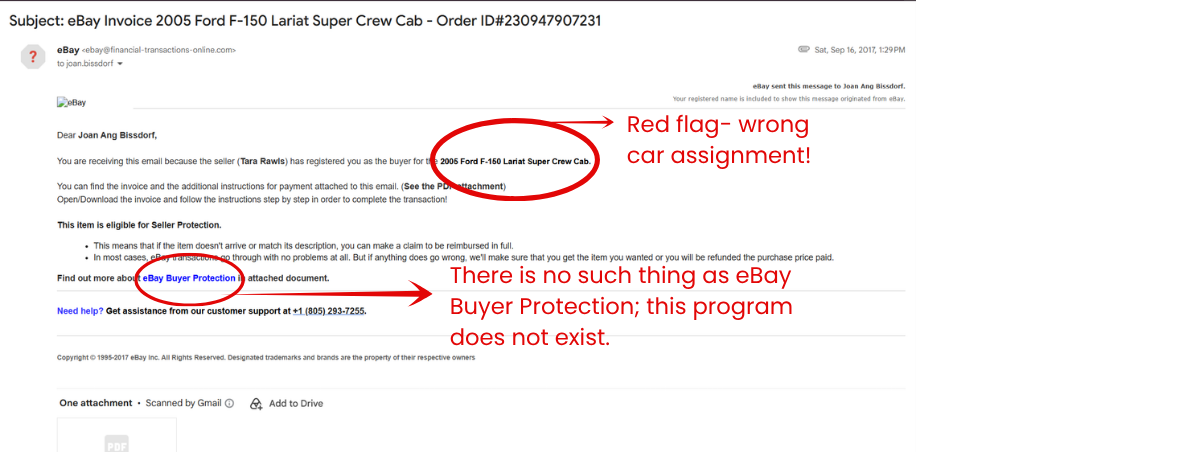
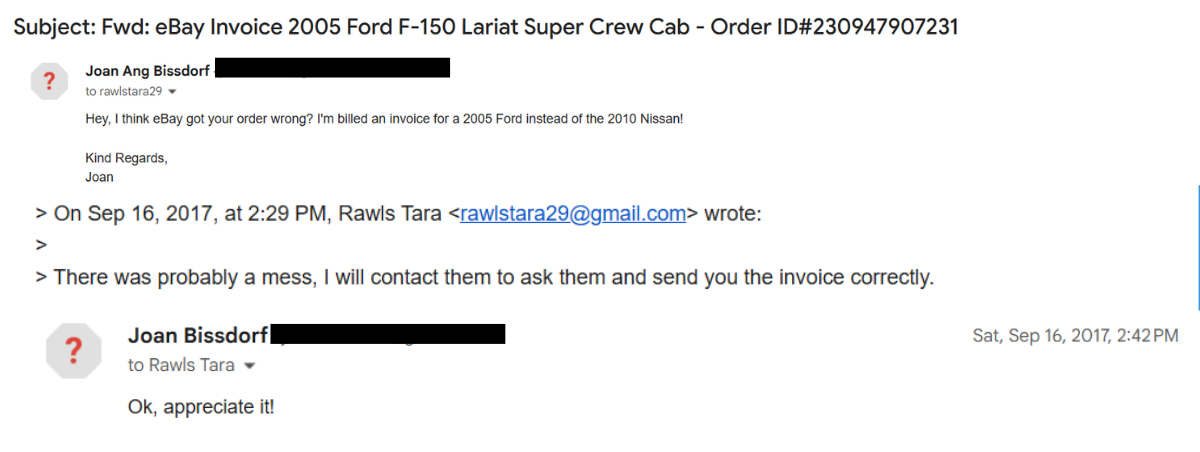
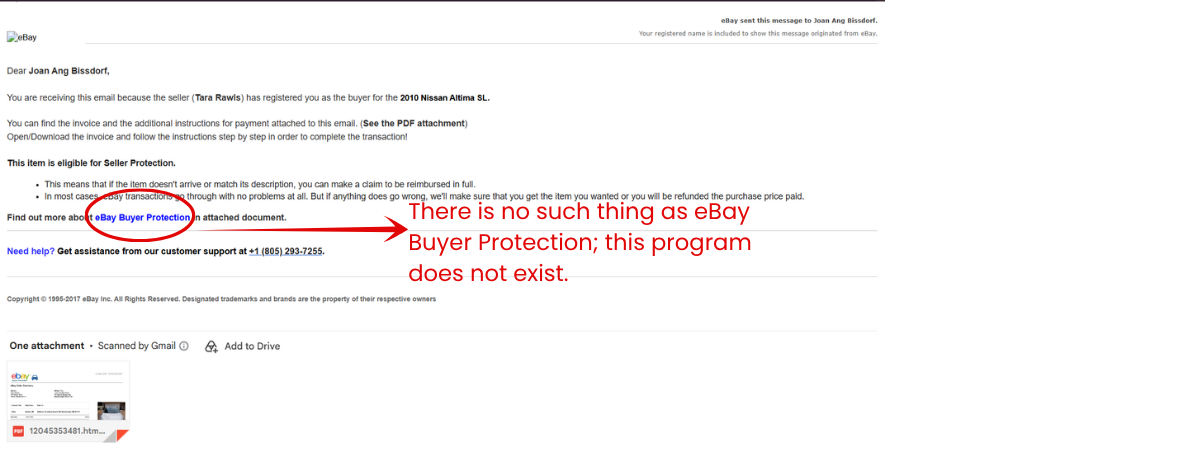
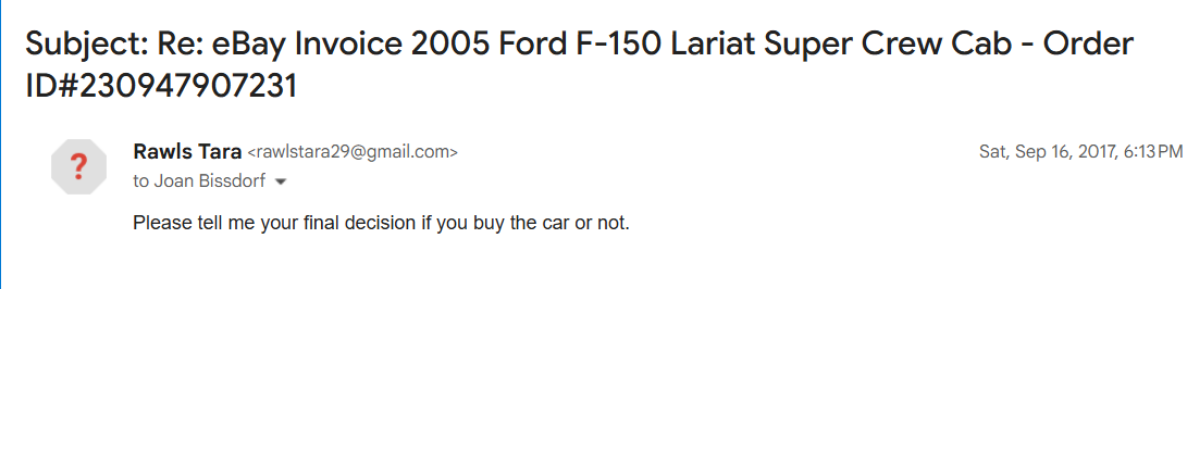
4. Requesting unusual payment methods
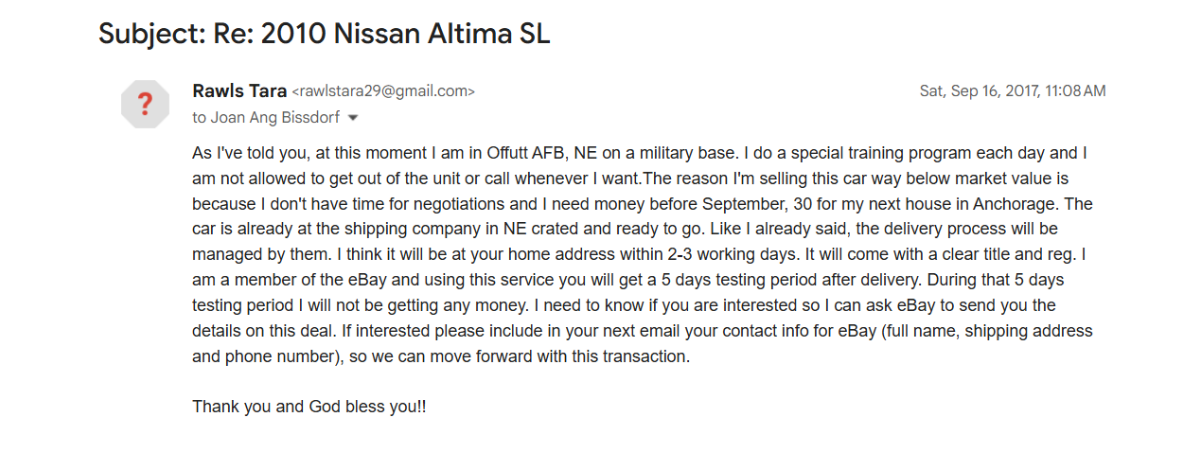
Legitimate organizations typically accept standard payment methods such as credit cards, debit cards, checks, or official online payment systems.
Be cautious if someone insists on being paid through:
Gift cards
Cryptocurrency
Wire transfers
Peer-to-peer payment apps
Prepaid debit cards
Scammers favor these payment methods, which are often difficult or impossible to reverse once funds have been transferred. If someone pressures you to pay using one of these methods, especially in combination with threats, urgency, or secrecy, consider it a major red flag.
5. Asking for personal information
Scammers aren't always after your money only. They also frequently attempt to collect sensitive information that can be used for identity theft, account takeovers, or financial fraud. If someone contacts you unexpectedly, asking for any of the following, treat it as an immediate red flag:
Social Security numbers (SSNs)
Bank account information
Credit card numbers
Online account passwords
One-time verification codes
Individual Taxpayers' Identification Numbers (ITINs)
Never provide sensitive information unless you have independently verified who you are communicating with. When in doubt, contact the organization directly using information obtained from its official website rather than responding to the original message or caller.
6. Too-good-to-be-true offers
If something sounds too good to be true, it probably is.
Be skeptical of promises such as:
Guaranteed investment returns
Easy money with little effort
Unexpected lottery or sweepstakes winnings
Free gifts that require payment or personal information
Exclusive opportunities available for a limited time
Legitimate opportunities rarely require immediate decisions, extraordinary promises, or upfront payments.
7. Poor communication and inconsistencies
Many scams contain subtle warning signs:
Spelling mistakes
Grammatical errors
Unusual requests
Inconsistent information.
While some scammers are highly sophisticated, others rely on mass-produced messages that contain obvious mistakes. However, don't assume that a message is legitimate simply because it appears professional. Pay close attention to details, which can help you spot potential fraud.