Adapted from Joan’s blog on asbestos in homes.
Topics covered:
What is asbestos, and what are the dangers associated with asbestos?
Where can asbestos be found in a house?
How can I tell if a material in my house has asbestos?
MA resources for asbestos inspection, removal, and assistance programs
What happens if one is exposed to asbestos?
While asbestos and its dangers are not unheard of by Massachusetts residents, it may be the case when it comes to those newly relocated to the area - especially newcomers from younger nations abroad.
Asbestos can turn up in many parts of a house, including insulation, flooring, roofing, and siding. While it is most closely associated with older homes, typically built between the early 1900s and the late 1980s, a home's age alone would not precisely tell you whether or not asbestos is present. If you’re buying, renting, or renovating in MA, this guide helps you understand where asbestos may be found, how to confirm it, and resources to turn to for aid.
1. What is asbestos, and what are the dangers associated with asbestos?
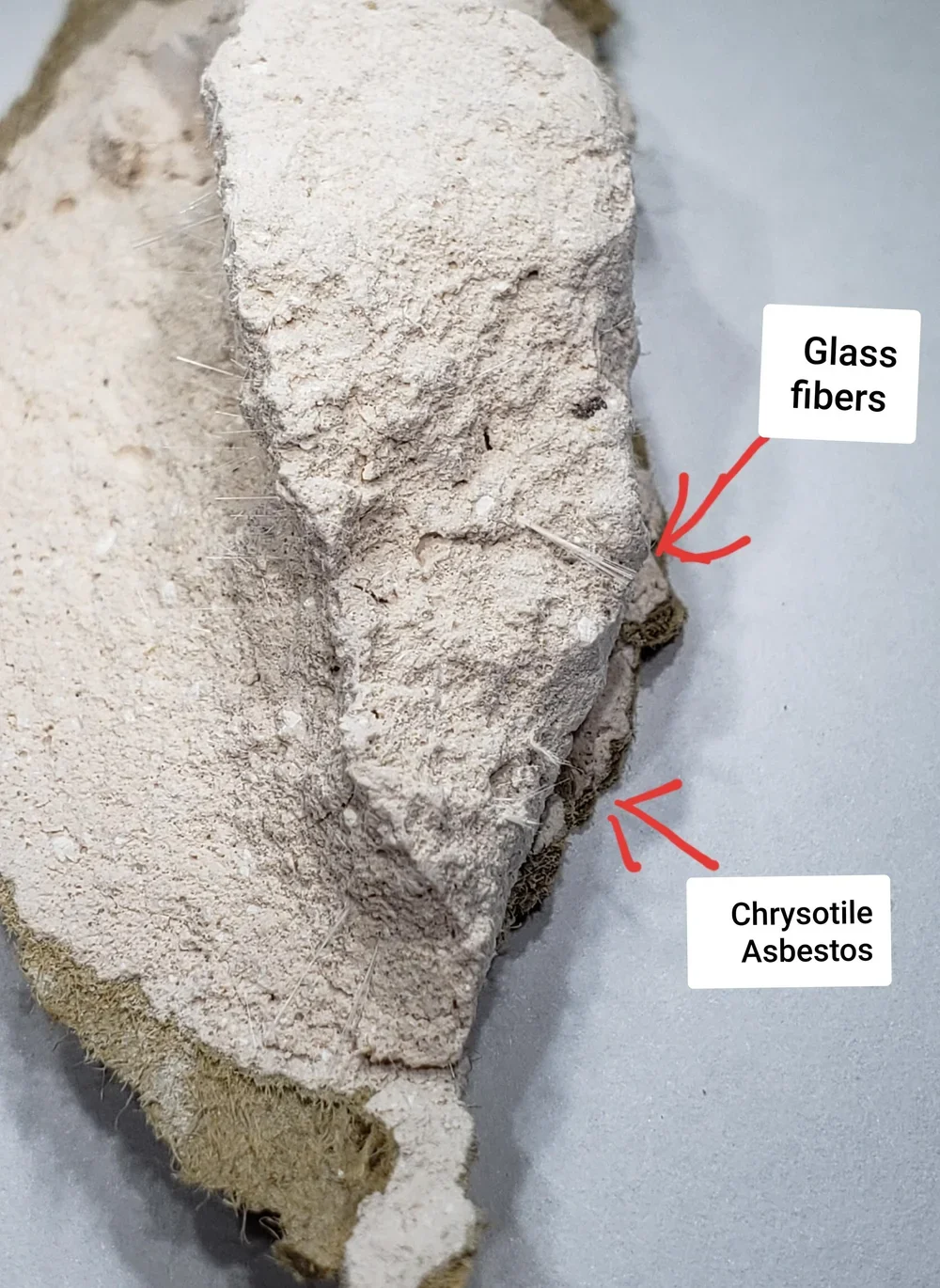
Asbestos is a group of naturally occurring minerals with strong fibers that can withstand high heat. These qualities have made asbestos useful for insulating steam pipes and creating building materials that are more resistant to fire. By the mid-1950s, researchers had linked workplace exposure to lung cancer. In March 2024, the EPA finalized a rule to phase out ongoing uses of chrysotile asbestos, the only type still in commercial use in the US at the time. However, asbestos can still be found in materials installed years ago.
When a material containing asbestos is damaged or disturbed, it can release fibers that are not visible to the naked eye. Breathing in those fibers raises the risk of lung cancer and mesothelioma, which is a rare cancer that can affect the lining around the lungs or abdomen and, less often, around the heart. Asbestos exposure can also cause asbestosis, a disease that scars the lungs.
2. Where can asbestos be found in a house?
Asbestos was used in many home building materials before its use began to decline in the 1970s. Some of those materials can still be in place after a renovation. A basement with a newer boiler, for example, may still have remnants of older insulation around the steam pipes.
These are areas of a house most often associated with asbestos:
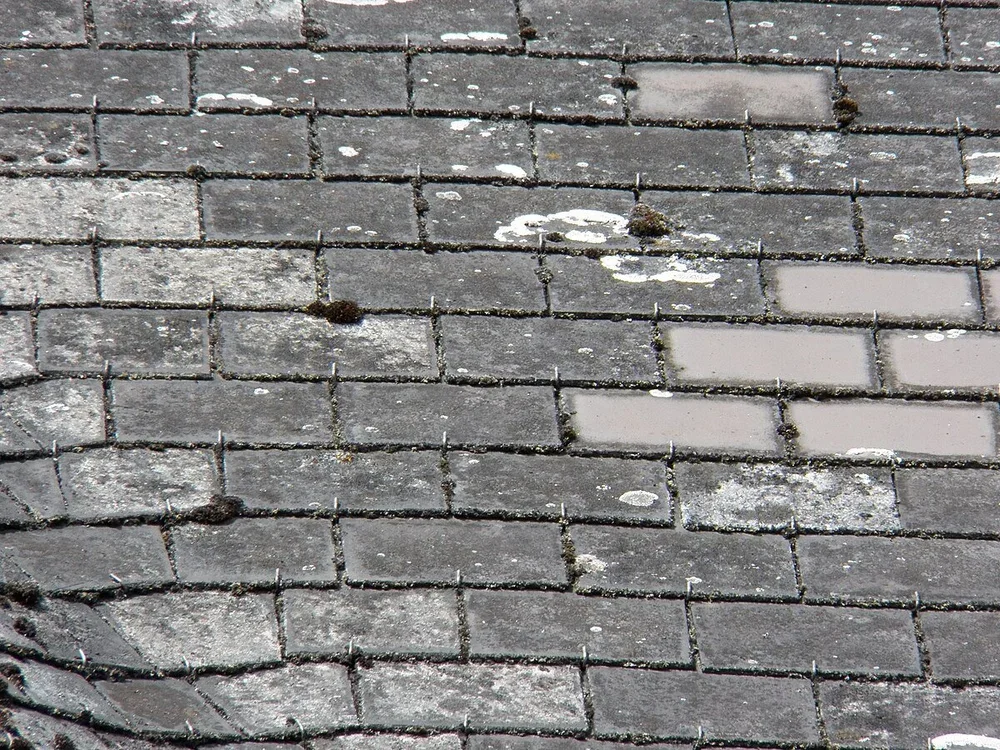
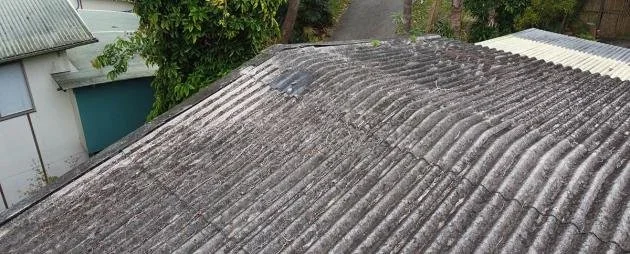
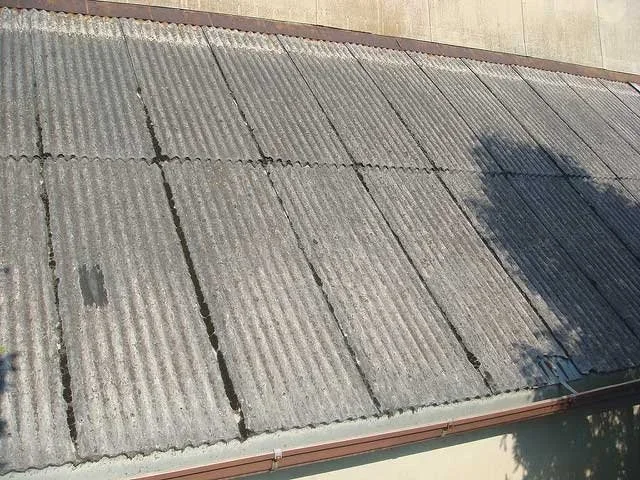
Roof and siding. Roofing felt beneath shingles, as well as certain cement siding and exterior panels.
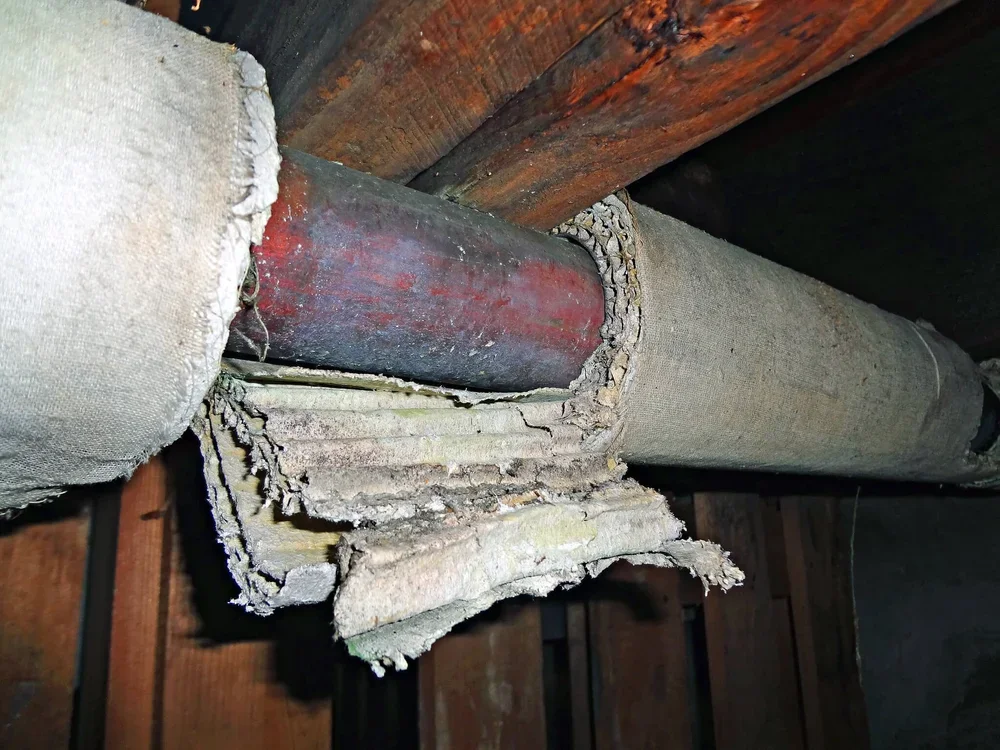
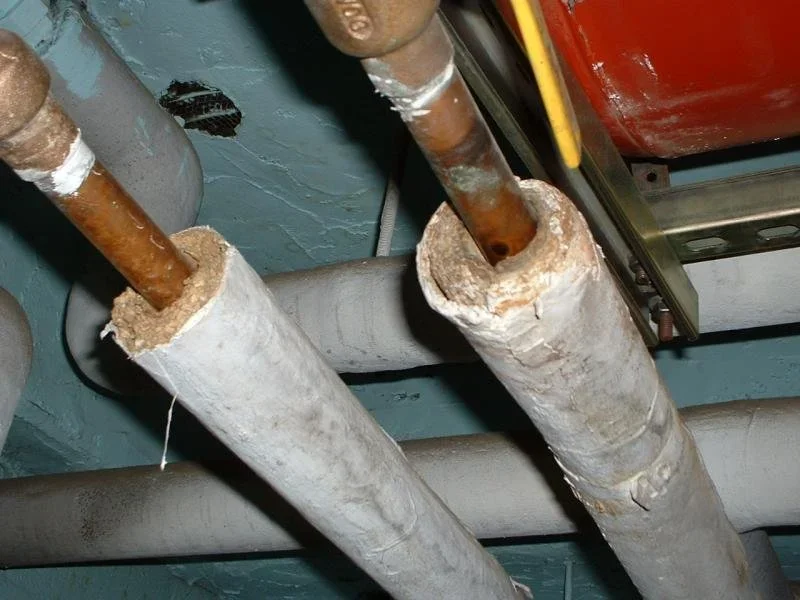
Basement and utility room. Insulation or tape wrapped around steam or hot-water pipes.
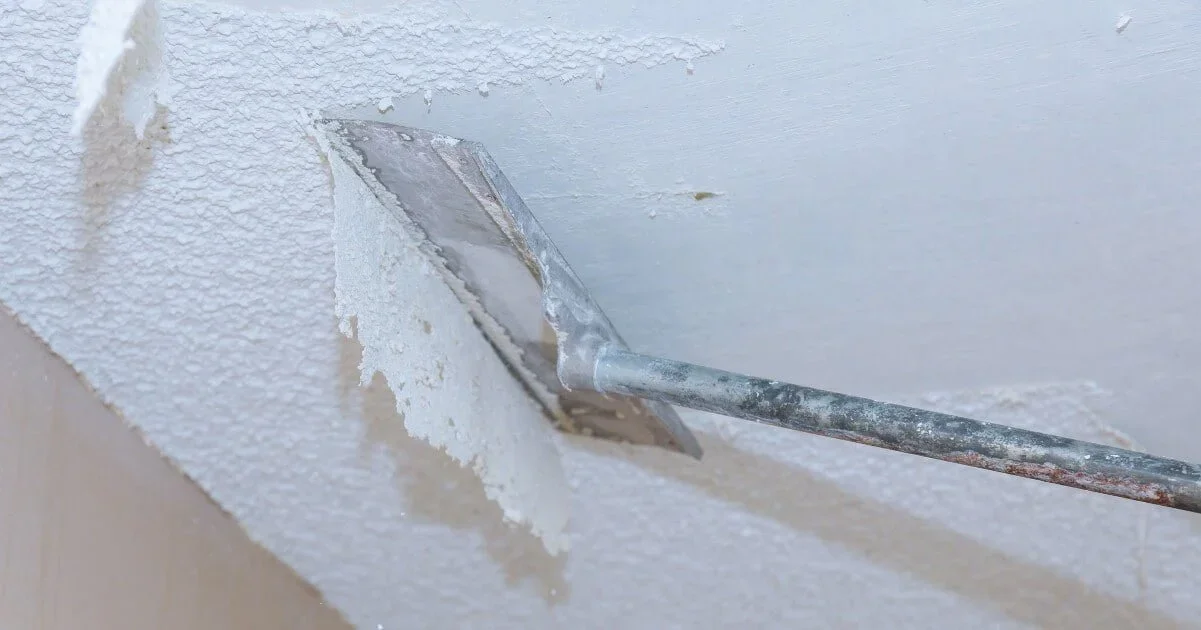
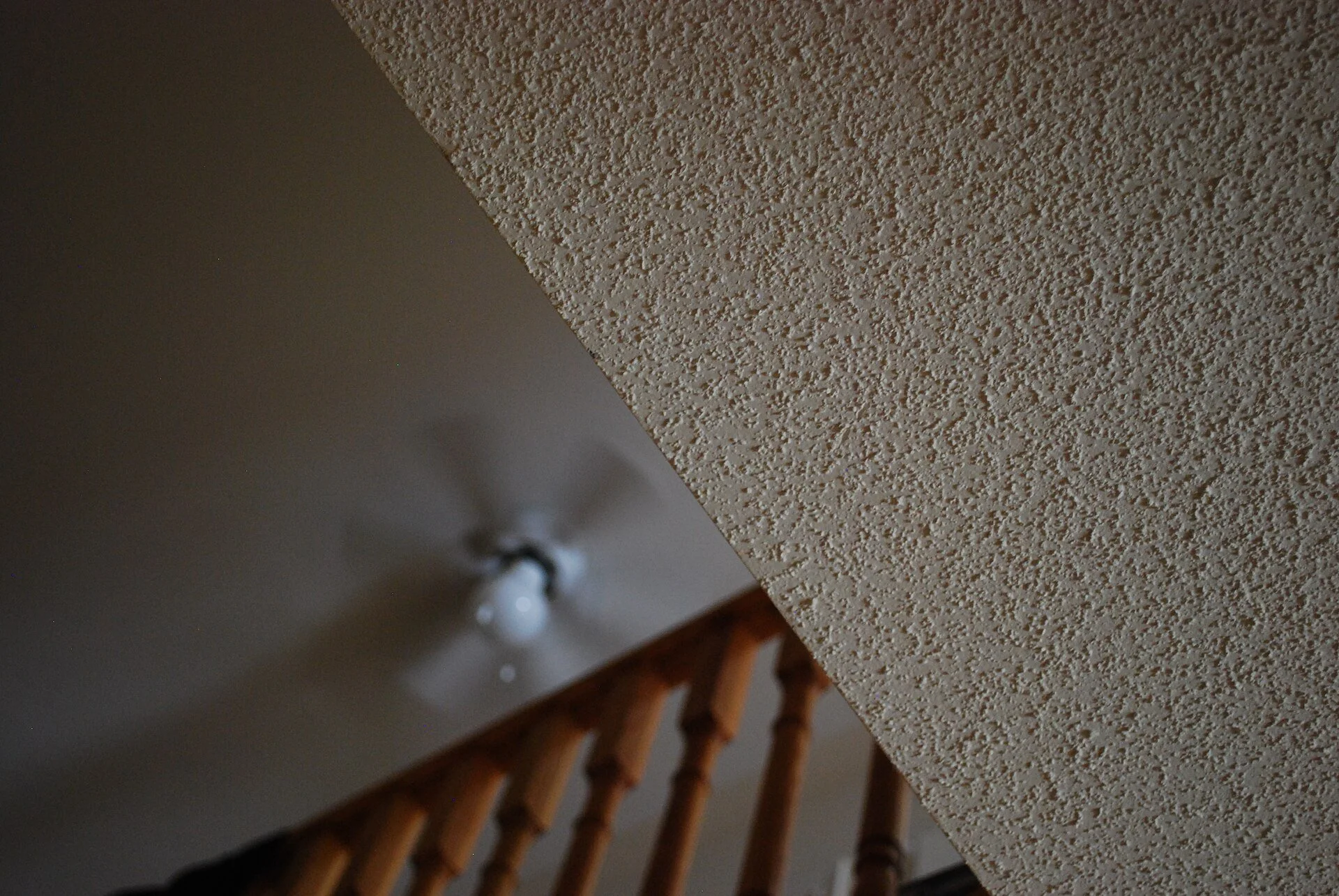
Walls and ceilings. Drywall panels, the compound used to cover the seams between them, and textured ceiling finishes commonly known as “popcorn ceilings”.
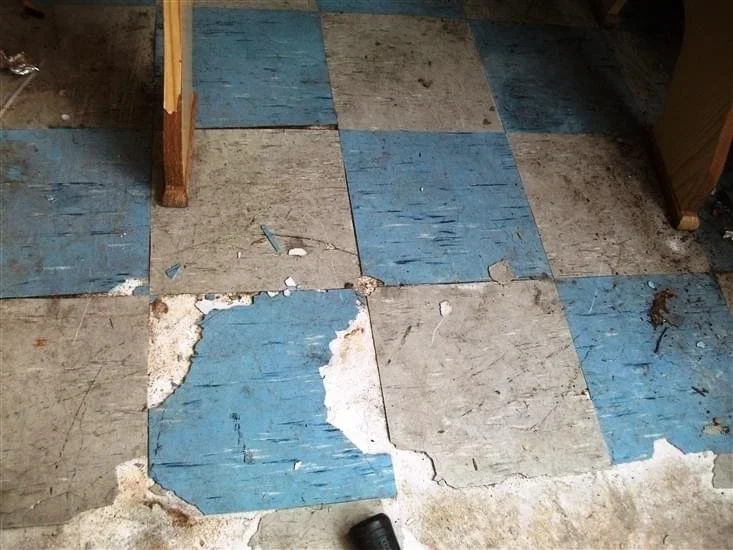
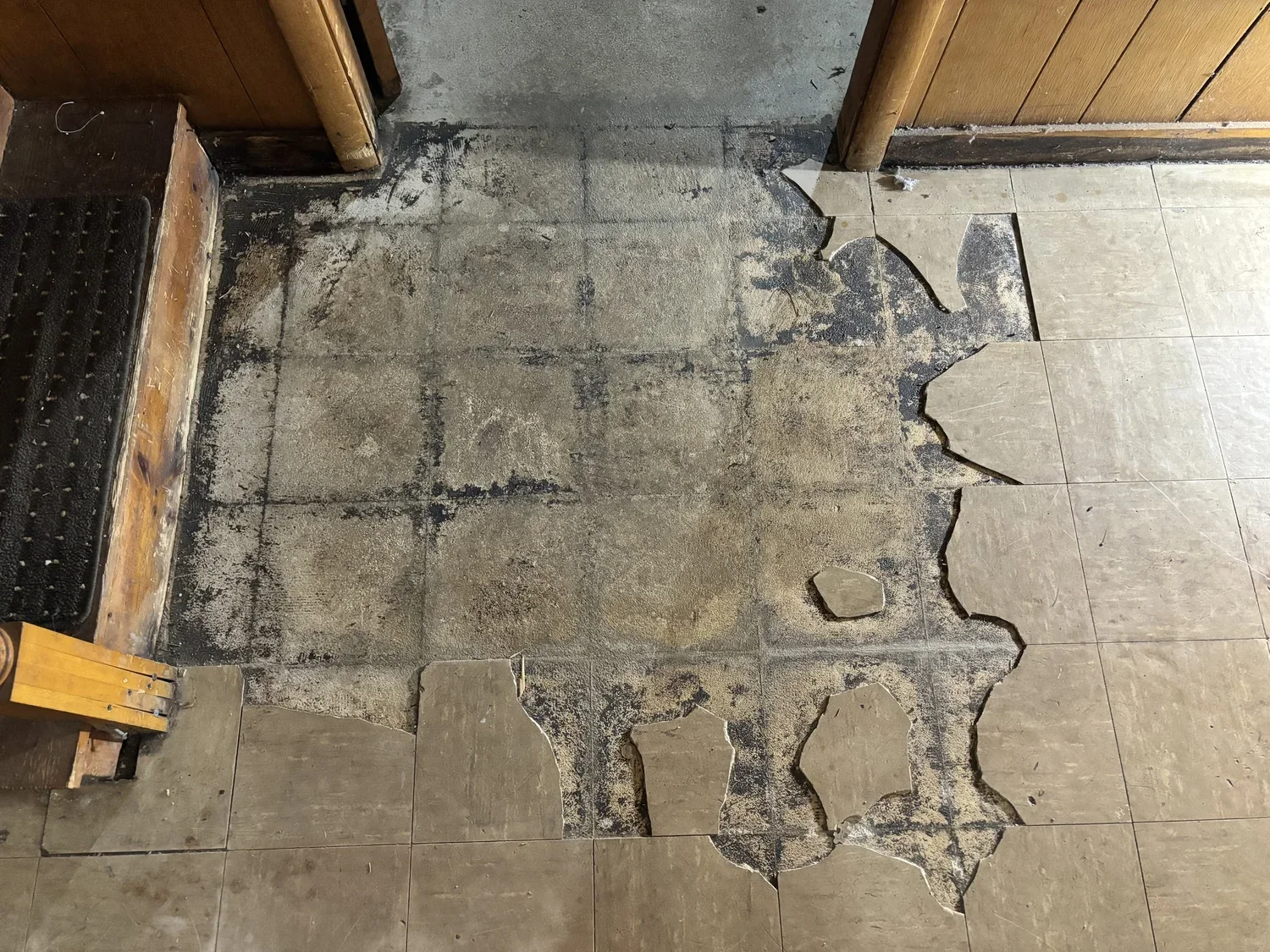
Floors. Vinyl floor tiles, typically 9“ X 9” squares.
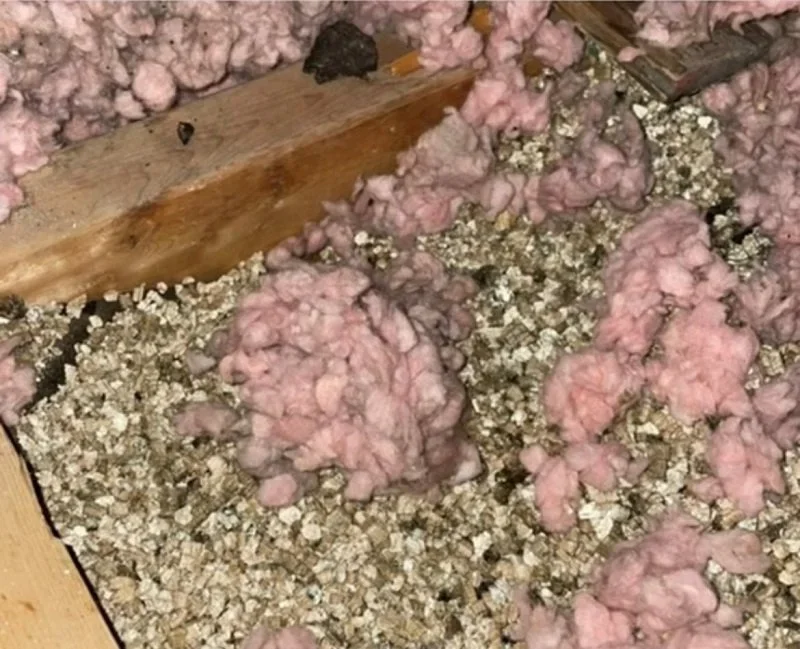
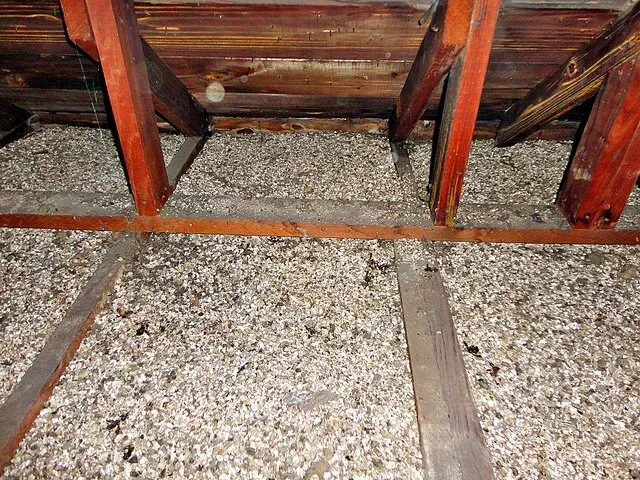
Attic. Loose-fill vermiculite insulation.
3. How can I tell if a material in my house has asbestos?
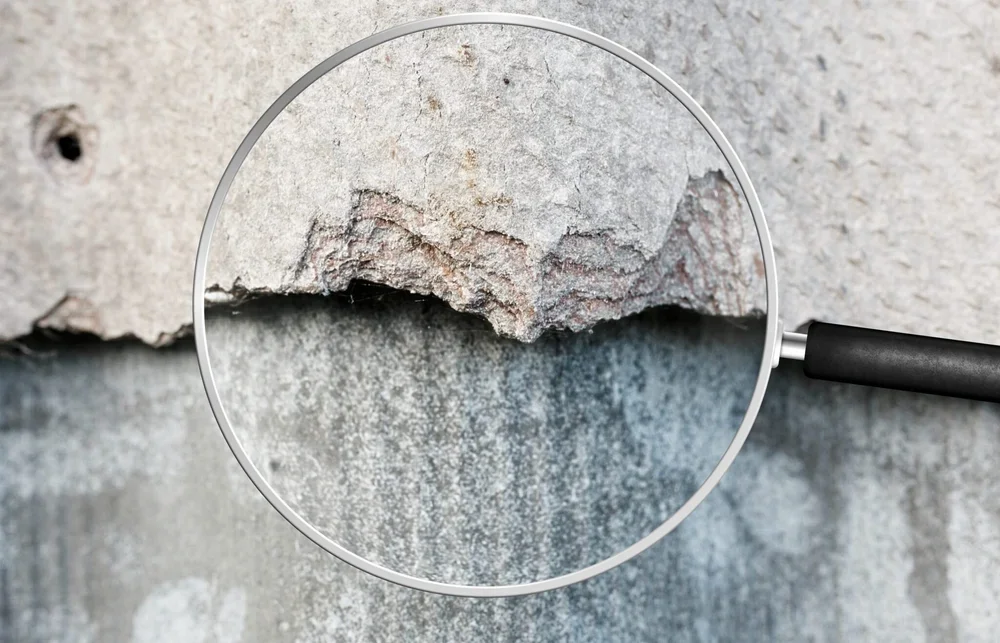
Testing a sample of a material that is suspected of containing asbestos is the only definitive way to determine the outcome. In MA, a certified asbestos inspector can assess the material and collect a sample for a certified lab to test.
If a remodel could disturb a material you suspect contains asbestos, have it assessed before work starts. If you’re in the process of replacing flooring and uncover an older layer of vinyl tile, pause before pulling it up and have a certified asbestos inspector collect samples for a test.
What you do next depends on the material’s condition and whether it’s likely to be disturbed. If it’s intact and will stay undisturbed, the EPA generally recommends leaving it alone- in the case of flooring, you could lay another material above it. If it’s damaged, keep people away from the area and arrange for containment or removal.
4. MA resources: Inspection, removal and financial assistance
Inspection
If you need someone to check a material in your home, start with Massachusetts’ directory of certified asbestos inspectors, testing labs, and licensed removal contractors. An inspector can assess the material and collect samples for testing.
Labs often use Polarized Light Microscopy (PLM) to test building materials. For some samples, such as vinyl floor tiles, the lab may use Transmission Electron Microscopy (TEM) to get a clearer result when asbestos levels are low. When you ask for a quote, check whether it covers the site visit, sample collection, and lab fees, and how many samples are included.
Removal
If removal is needed, build time for the state filing into your schedule. Massachusetts generally requires notice at least 10 working days before asbestos abatement begins. A single form notifies both the Massachusetts Department of Environmental Protection (MassDEP) and the Department of Labor Standards (DLS). Ask your contractor who will handle the filing before you set a start date.
Check with your city or town about any local notices or approvals. In Boston, for example, asbestos repair and removal require a permit from the Boston Public Health Commission.
Financial Assistance
You may qualify for a reimbursement of up to 55% to remove or contain vermiculite insulation if you can prove that it is the Zonolite brand. Before work begins, check the Zonolite Attic Insulation Trust’s claim instructions, as you’d need to collect a sample for brand testing before disposal. Ask your licensed asbestos contractor to take the required before-and-after photos, and keep your itemized invoice and proof of payment to submit with your claim.
If you’re a low-income homeowner, a state-funded program may cover the cost of removing asbestos or vermiculite before new insulation goes in. Start by scheduling a no-cost home energy assessment through a participating Mass Save sponsor and checking if you qualify for Mass Save’s Enhanced Residential Program. These grants are available to income-qualified households in one- to four-unit homes. Because income limits vary by household size, check your eligibility before scheduling any removal work.
Check with your city or town’s housing office about local home repair programs. In Newton, for example, homeowners who meet the income requirements can apply for assistance to address asbestos hazards through the city’s Housing Rehabilitation Program.
5. What happens if one is exposed to asbestos?
Asbestos can pose a health risk when airborne fibers are inhaled, and the risk generally increases with heavier or longer exposure. Cleveland Clinic cites studies estimating that up to 20% of workers who inhale asbestos develop related illnesses, while a National Institute for Occupational Safety and Health review found no evidence of a safe level of exposure. However, this doesn't mean that every asbestos-containing material in a home poses an immediate danger. According to the EPA, materials in good condition and left undisturbed are unlikely to pose a health risk.
If you’re concerned about a past exposure, start with your primary care provider. Tell them what was disturbed, when it happened, and how long you were exposed. Specialized tests can detect fibers in lung tissue, lung fluid, or other samples, but the results can’t predict who will develop an illness. Depending on your history and exam, your provider may recommend a chest X-ray or lung function testing to monitor changes in your lungs.
Symptoms can take 10 to 40 years or longer to appear. If you had substantial or repeated exposure, ask your provider whether regular checkups or a referral to a lung specialist would make sense for you.