Single-family vs multi-family vs townhouse: Understanding the different property types in Boston
Adapted from an original article by Joan Bissdorf.
Topics covered:
What is a single-family home?
What is a multi-family home?
What is a condominium (condo)?
What about townhouses, rowhouses, and duplexes?
What is an ADU home?
As a transplant from Singapore, I had some learning to do when I first moved to Boston. Back in Singapore, there were only three real estate terms known to me: flat, condo and landed property. I could not distinguish between a condo and multi-family in the early days of being here.
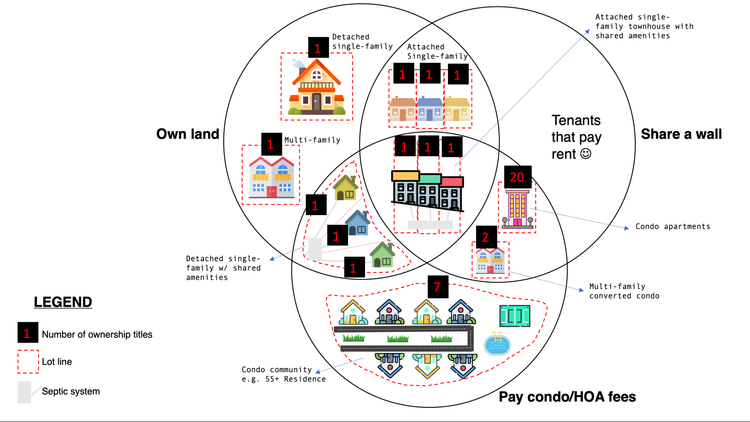
When you start looking at real estate, terms like single-family, condo, multi-family, and townhouse can be confusing. The key is resolving this confusion is to understand ownership boundaries of these real estate categories.
Read on, and I promise you’ll talk like a pro the next time.
1. What is a Single‑Family Home?
A property that is advertised as a “single-family home” is not a statement of how the structure looks, though it generally appears like a standalone house:
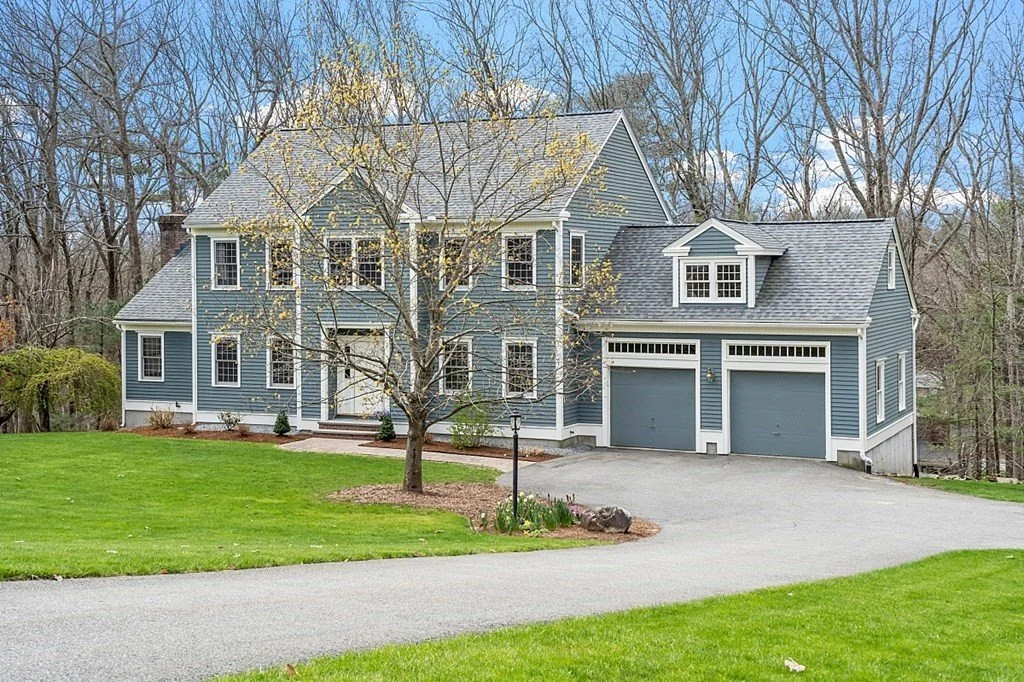
The defining feature of a single-family home is that the owner owns the land that the structure sits on, and the property is fitted with amenities suitable for 1 family to reside in (whether or not the owners have extended family/friends living with them is besides the point).
The property deed would usually read: "A certain parcel of land with the buildings thereon, bounded and described as follows…".
Single-family homes can be:
Detached: The building stands alone
Attached: The building shares a wall with another property (less common, which is why they’re sometimes mistaken for condos)
Part of a Homeowner’s Association (HOA)! Note it remains a single-family, and not a condo.
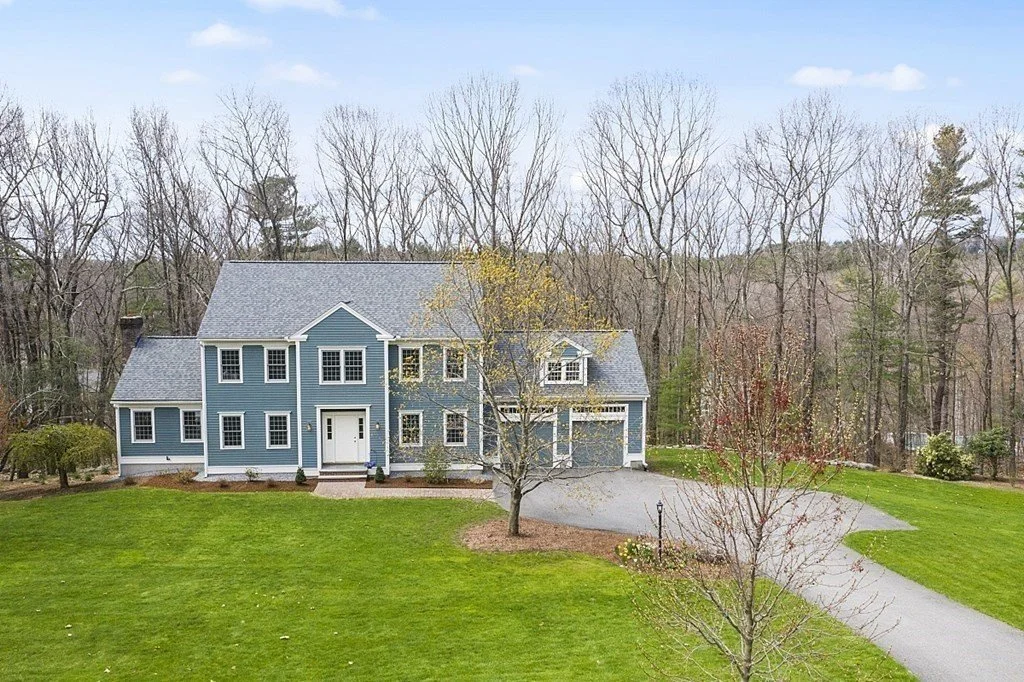
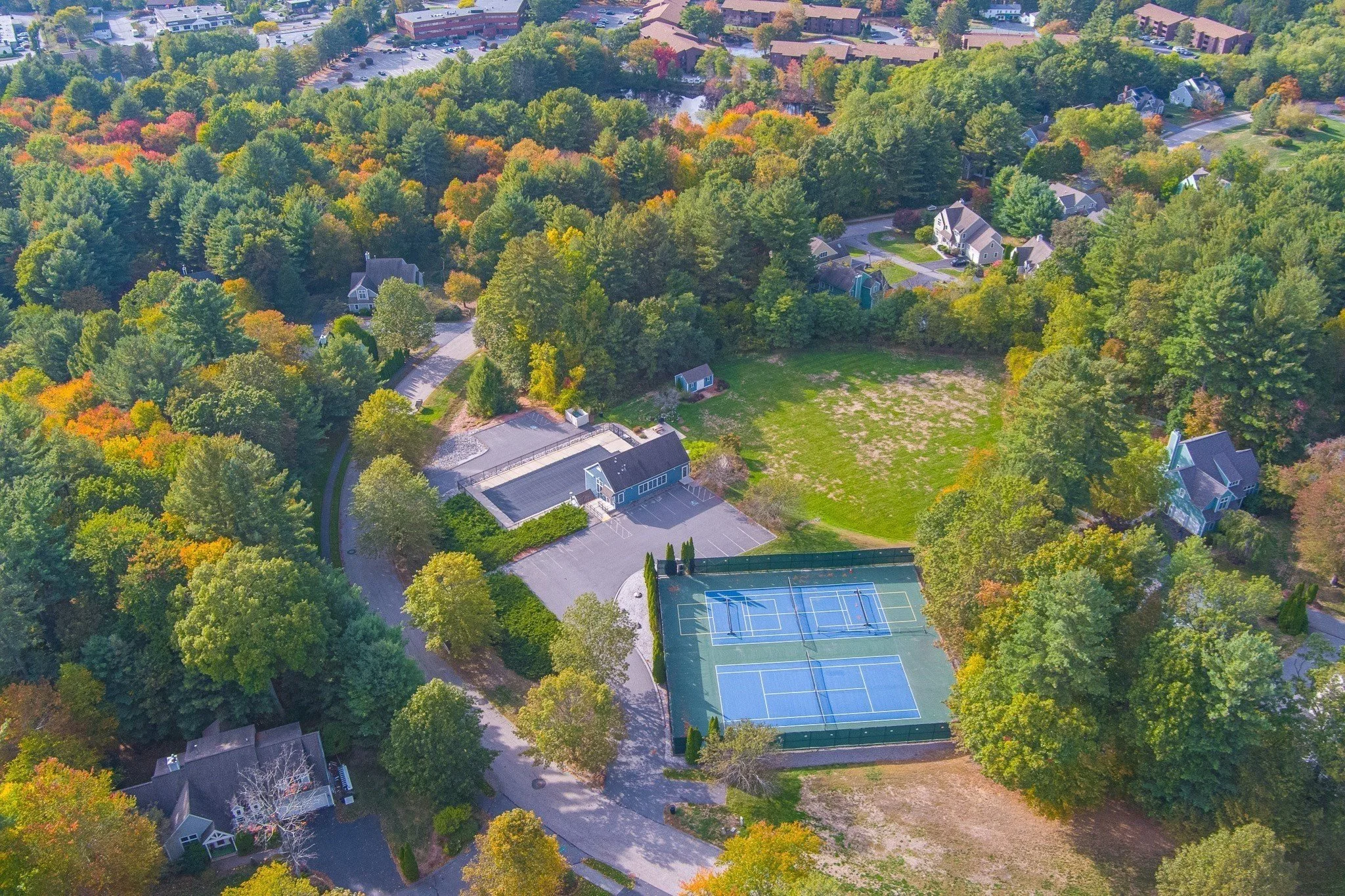
Examples of single-family homes: (L) Detached, (M) Attached, (R) Detached and part of a Homeowner’s Association with shared amenities.
As of February 2, 2025, Massachusetts law (Section 8, Chapter 150 of the Acts of 2024 part of the Affordable Homes Act) allows Accessory Dwelling Units (ADUs) "by-right" in most single-family zoning districts statewide. Having an ADUs does not convert a single-family into a multi-family property. More on that below.
2. What is a Multi-Family Home?
One of my earliest “aha” moments in buyer education came from a client who told me she was looking for a “split home.” “Why split?”, I asked. Split-level homes were popular in the ’50s, but an uncommon request these days. “Oh, so I could live on one side and rent out the other,” she explained. That’s when it clicked- she was not looking for a split-level home, she was looking for two-family property.
The defining feature of a multi-family home is that the owner owns the land that the structure sits on, and the property consists of two or more legally separate living units within one larger structure. Each unit has its own kitchen, bathroom and living space. A multi-family property exists as a 2-family, 3-family, 4-family… the list goes on.
It is important to know that legal separation matters. Adding a kitchen in the basement of a house does not qualify as owning a 2-family property (it qualifies as an illegal renovation). Zoning bylaws and building permits must confirm approval of utility, or the added features may need to be removed if discovered.
Visually, a multi-family looks different from a single-family as there’s often symmetry or division that is telling of the number of units in the property. That said, a building that looks like a multi-family property could in fact be a condominium building- there is no way to confirm by simply looking. The only way to be sure is to look up the recorded deed. Like a single-family, the deed to a multi-family would read “A certain parcel of land with the buildings thereon, bounded and described as follows…"
Multi-family homes can be:
Detached: The building stands alone
Attached: The building shares a wall with another property
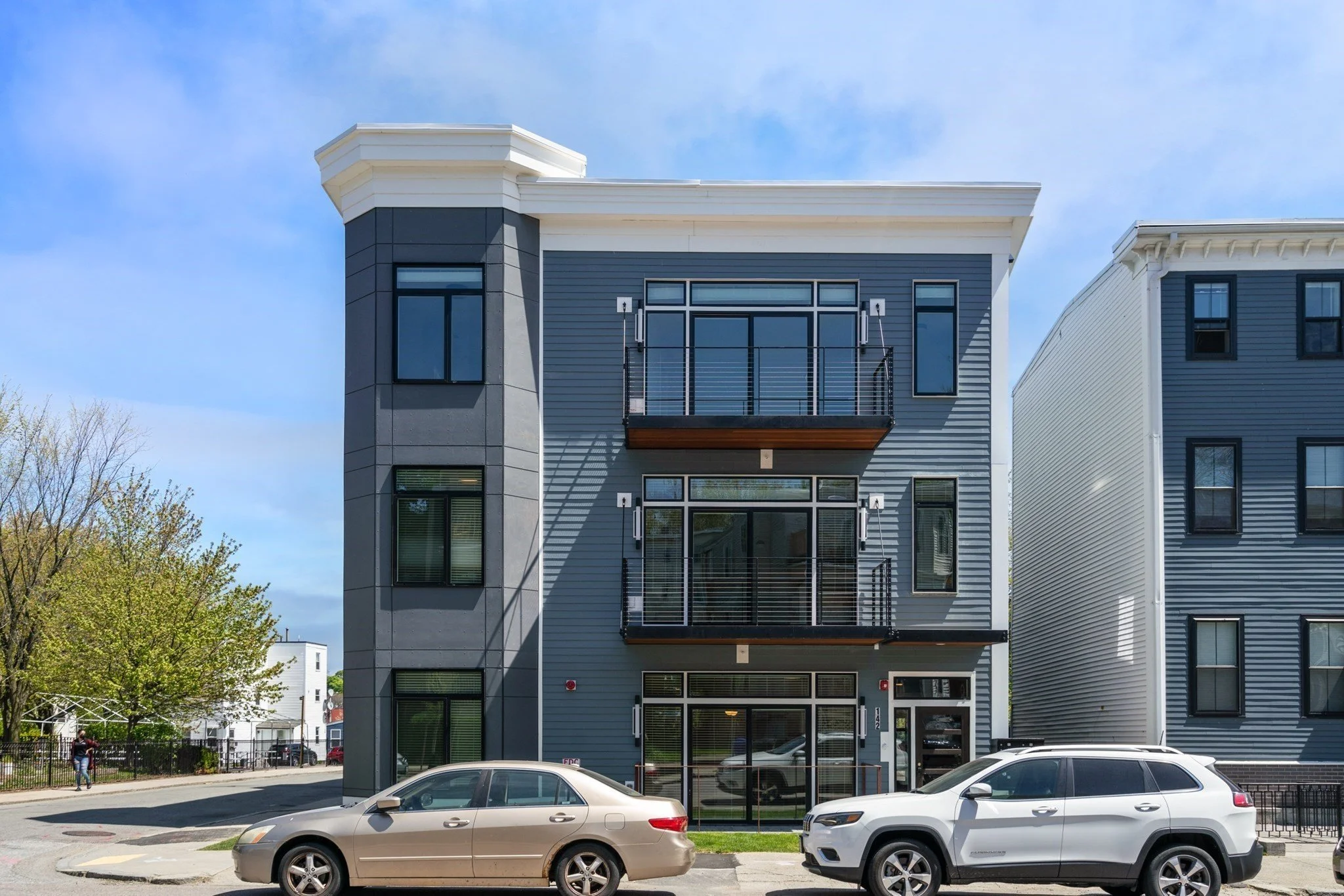
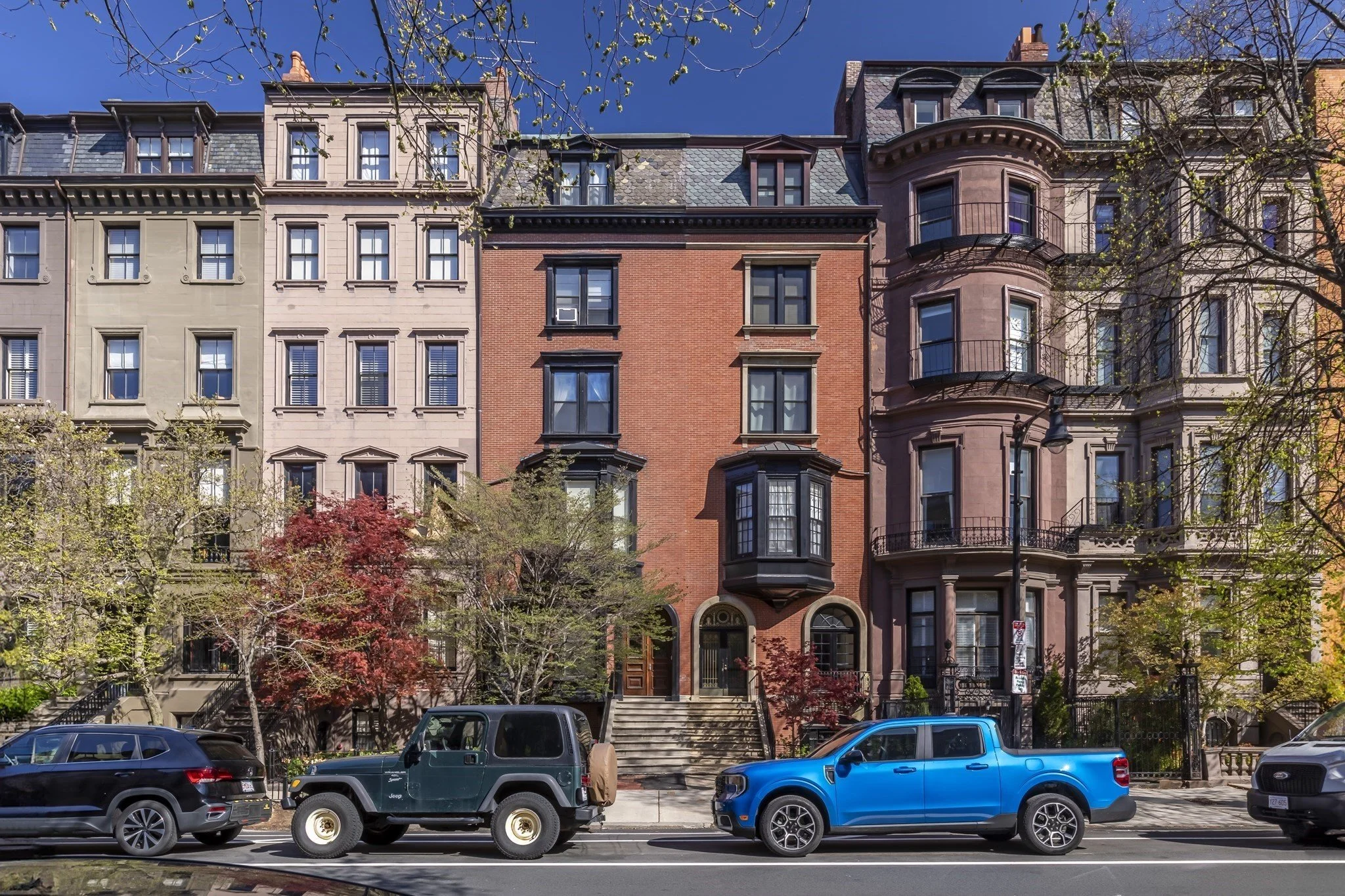
Examples of multi-family homes: (L) Detached 3-family, (R) Attached 4-family.
3. What is a Condominium (Condo)?
The Condominium category is often where people get the most confused, because condos appear in forms that look like a single-family or multi-family. Condo ownership could exist as one of 80 units in a high-rise building (what most people think of when they think “condo”), one of 2 attached structures, or even a standalone house!
The defining feature of a condominium ownership is that land is not owned by the individual.
For the majority, condominium ownership consists of owning the inside of the unit (a simplified explanation is to imagine a clear cube filled with water; you own only the space where the water touches). Everything outside of the unit’s walls - yard, hallway, siding, roof, structural elements... including land - is owned collectively with the other unit owners.
A condo deed would read like “Owner of the UNIT described above in (name of condominium) created by Master Deed dated...”.
Condos are easy to recognize when they’re part of a planned development and have a homogenous look. You’ll see shared spaces like parking lots, lawns, gardens, or amenities such as a gym, pool, or tennis court.
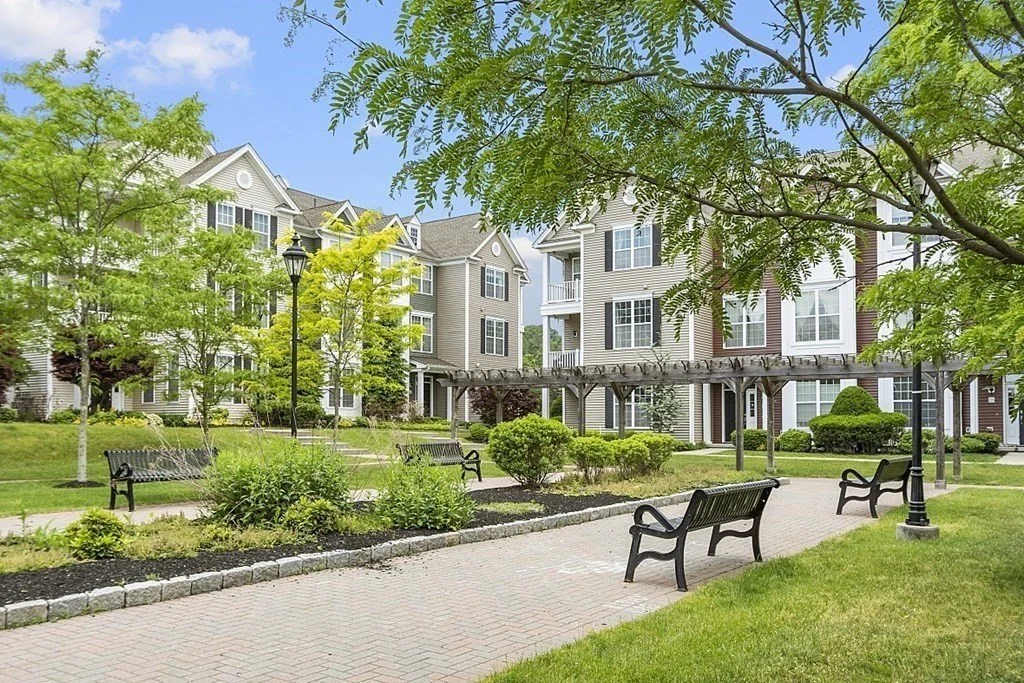
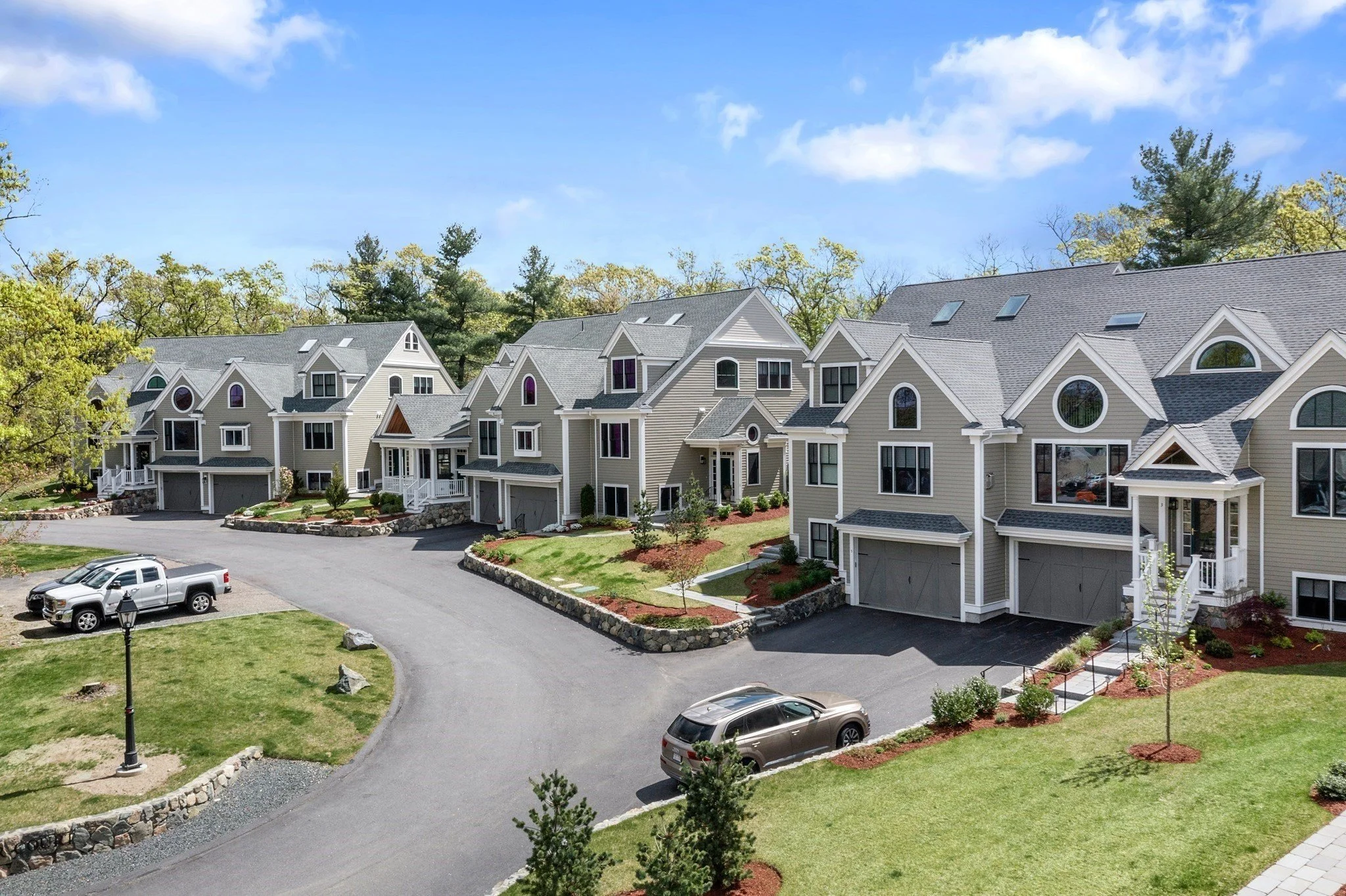
Examples of condominiums in a planned development. It’s common for projects like these to spot a homogeneous exterior and have shared amenities like green spaces.
They become trickier to identify when they’re created by converting a multi-family property into condo units, when it’s a detached standalone structure, or when a building (e.g. church, school) has been repurposed.
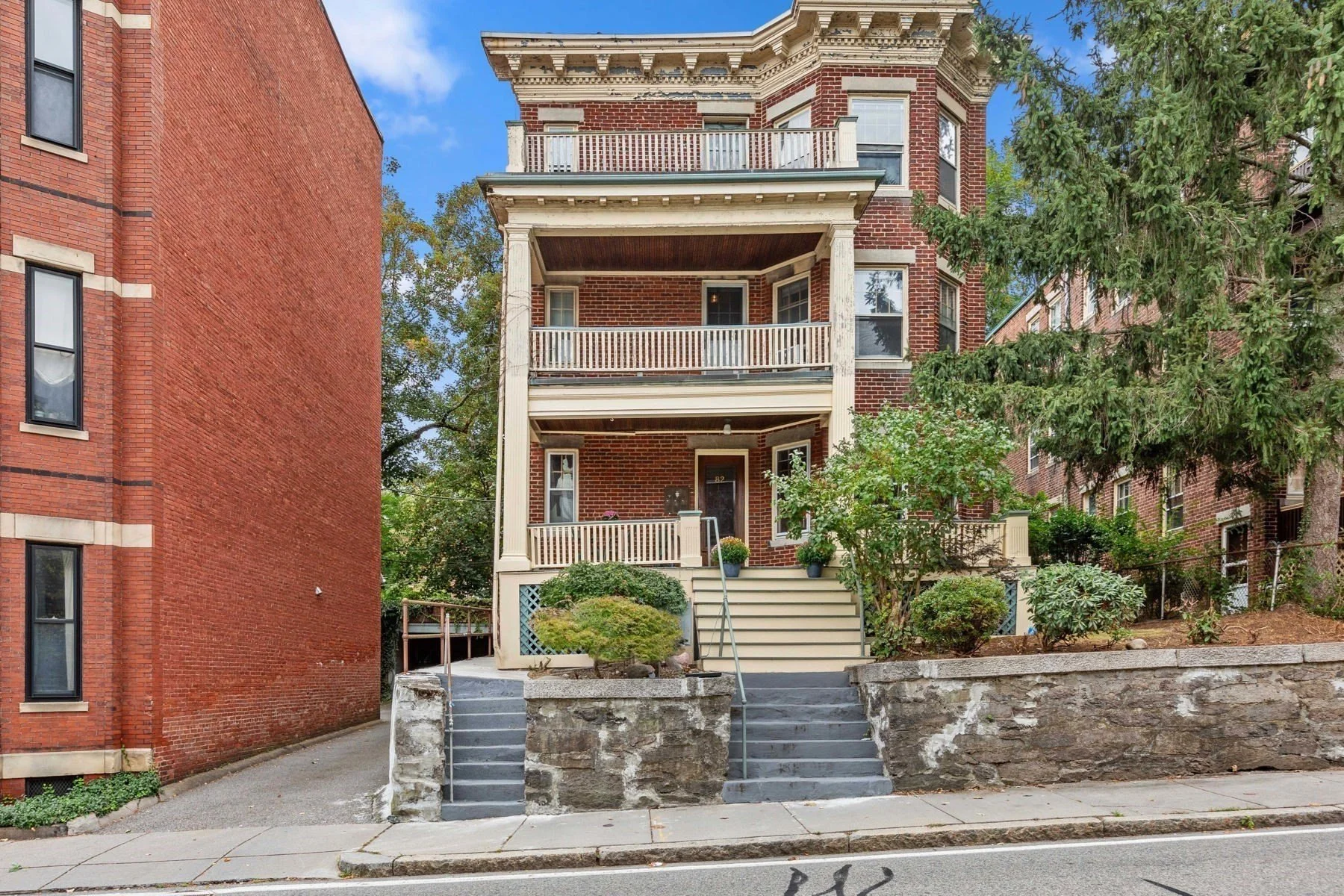
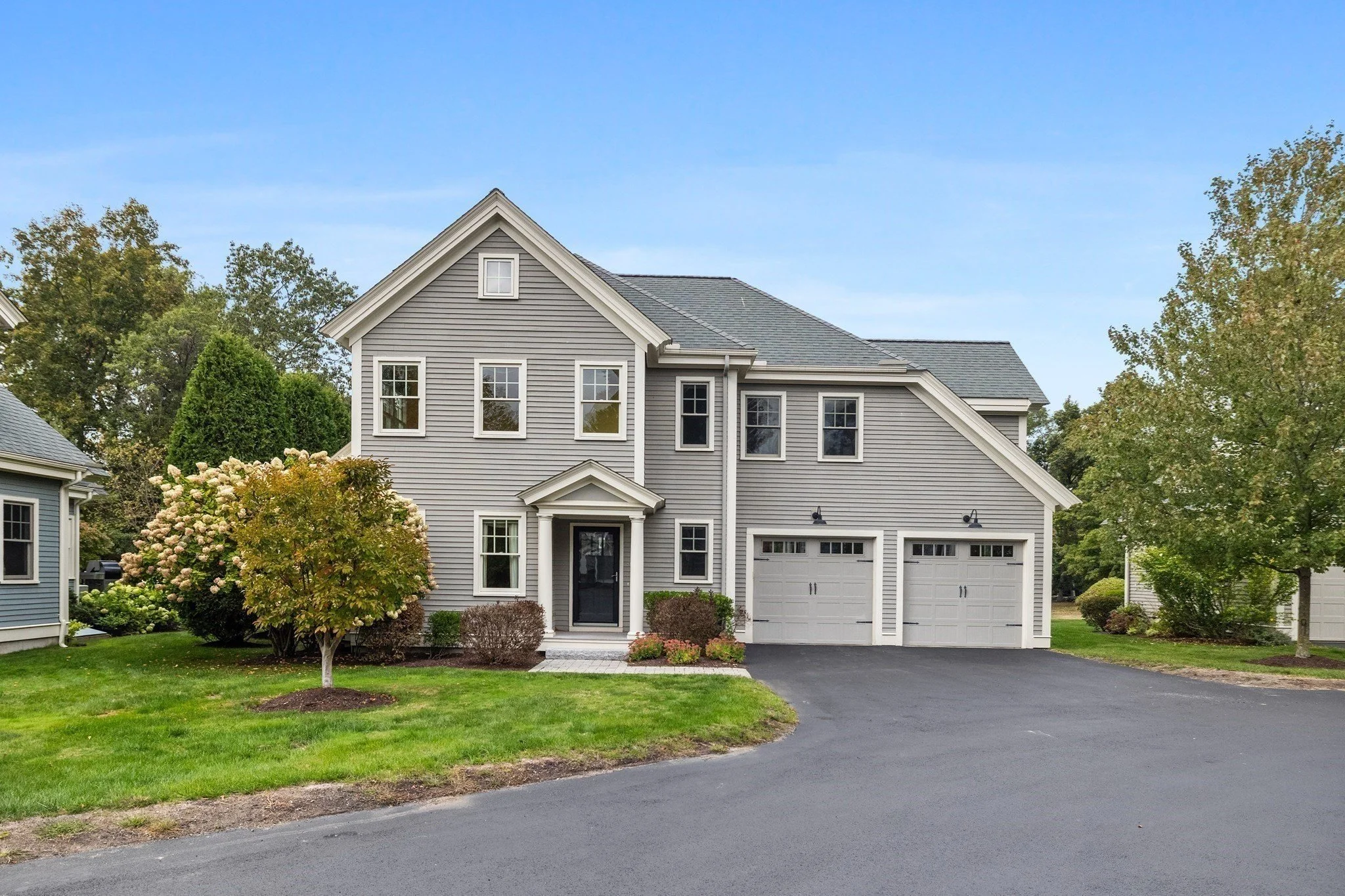
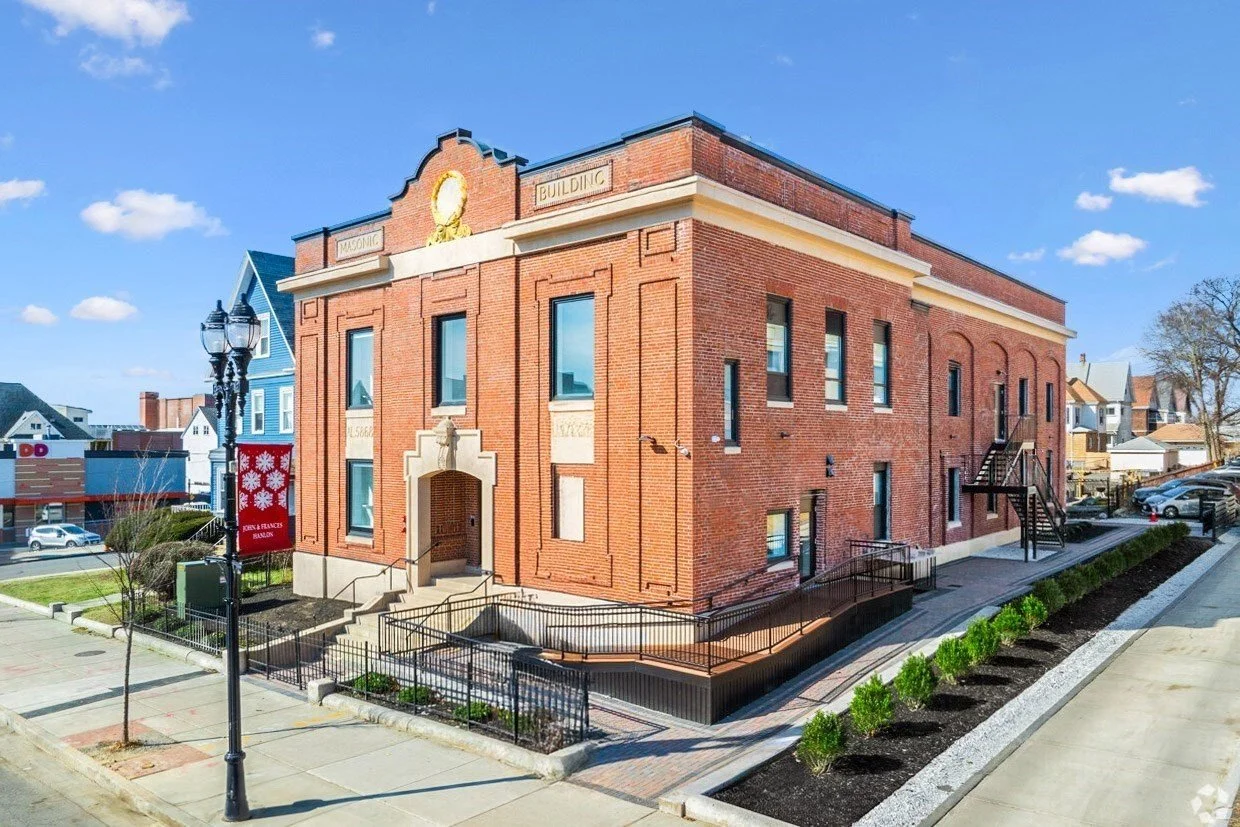
Examples of condominiums: (L) Former 3-family that has been converted to 3 condos, (M) A detached structure that presents as a single-family home but legally part of a condominium development, (R) A former masonic building that has been repurposed into a condominium building.
4. What about Townhouses, Rowhouses and Duplexes?
Apartments, Townhouses, Rowhouses and Duplexes are descriptions of an architectural style, not ownership structure.
Townhouse
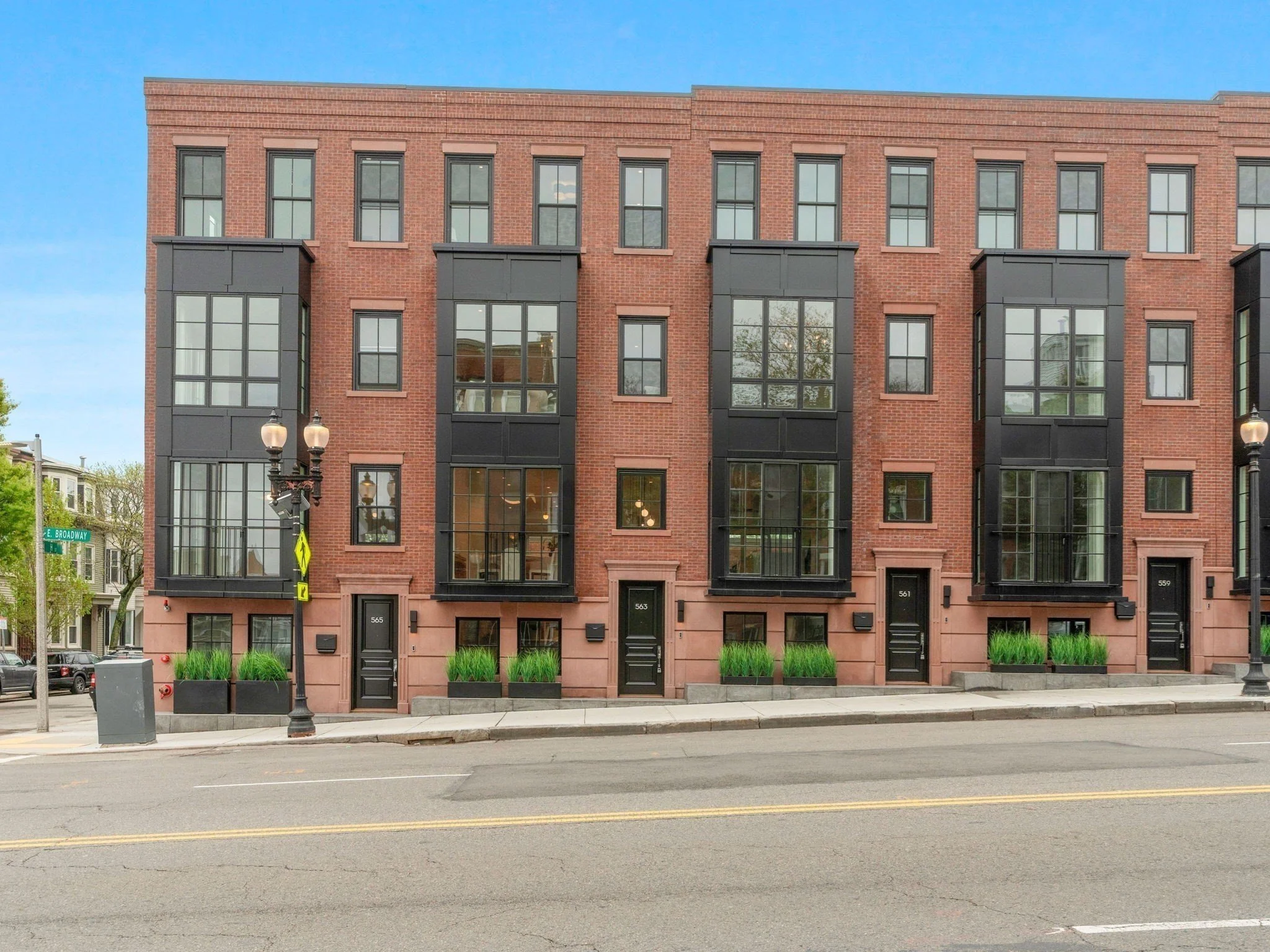
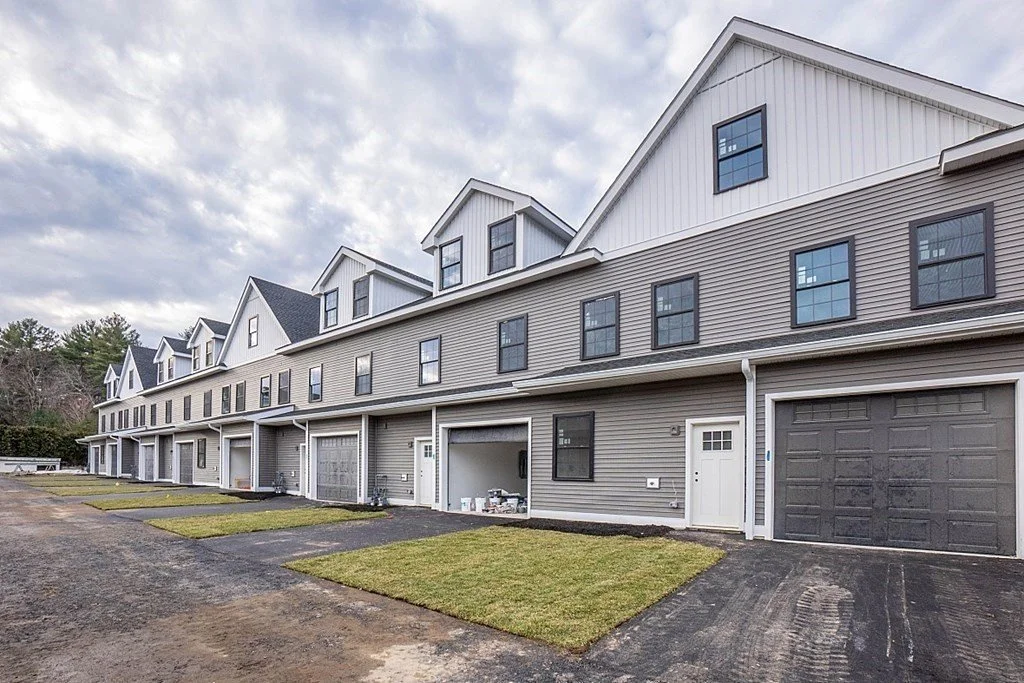
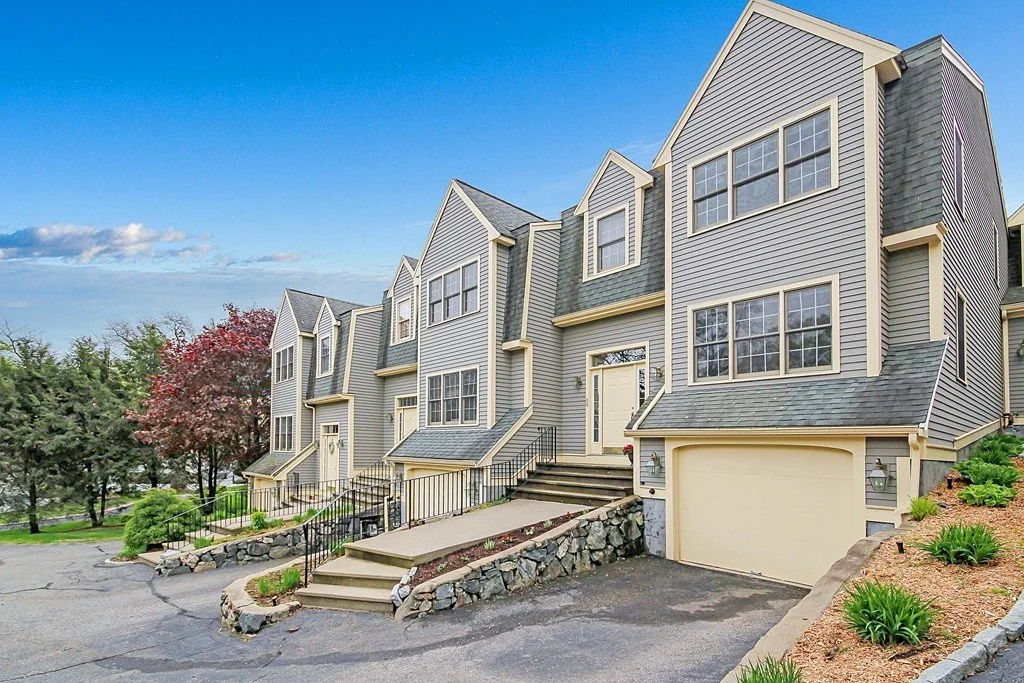
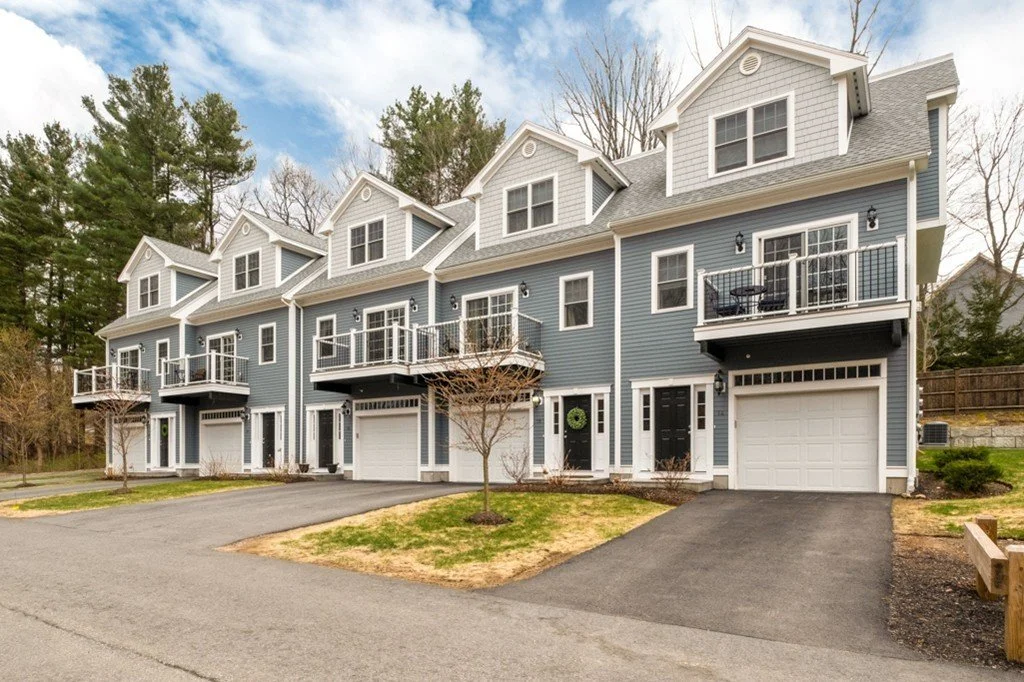
“Townhouse” is most often used to loosely mean “condo”. While townhouses do – and often – exist as condos, the fact remains that townhouses are a description of architectural design:
A townhouse is defined as an attached dwelling unit which is a part of and adjacent to other similar dwelling units that are connected to, but separated from one another by a common party wall having no doors, windows, or other provisions for human passage or visibility.
Remember, a property exists as a condo only if there is no deeded ownership of land. You could have a townhouse and own the land that your property sits on- you’d own a single-family townhouse. Otherwise, you’d have a townhouse condo!
Rowhouse
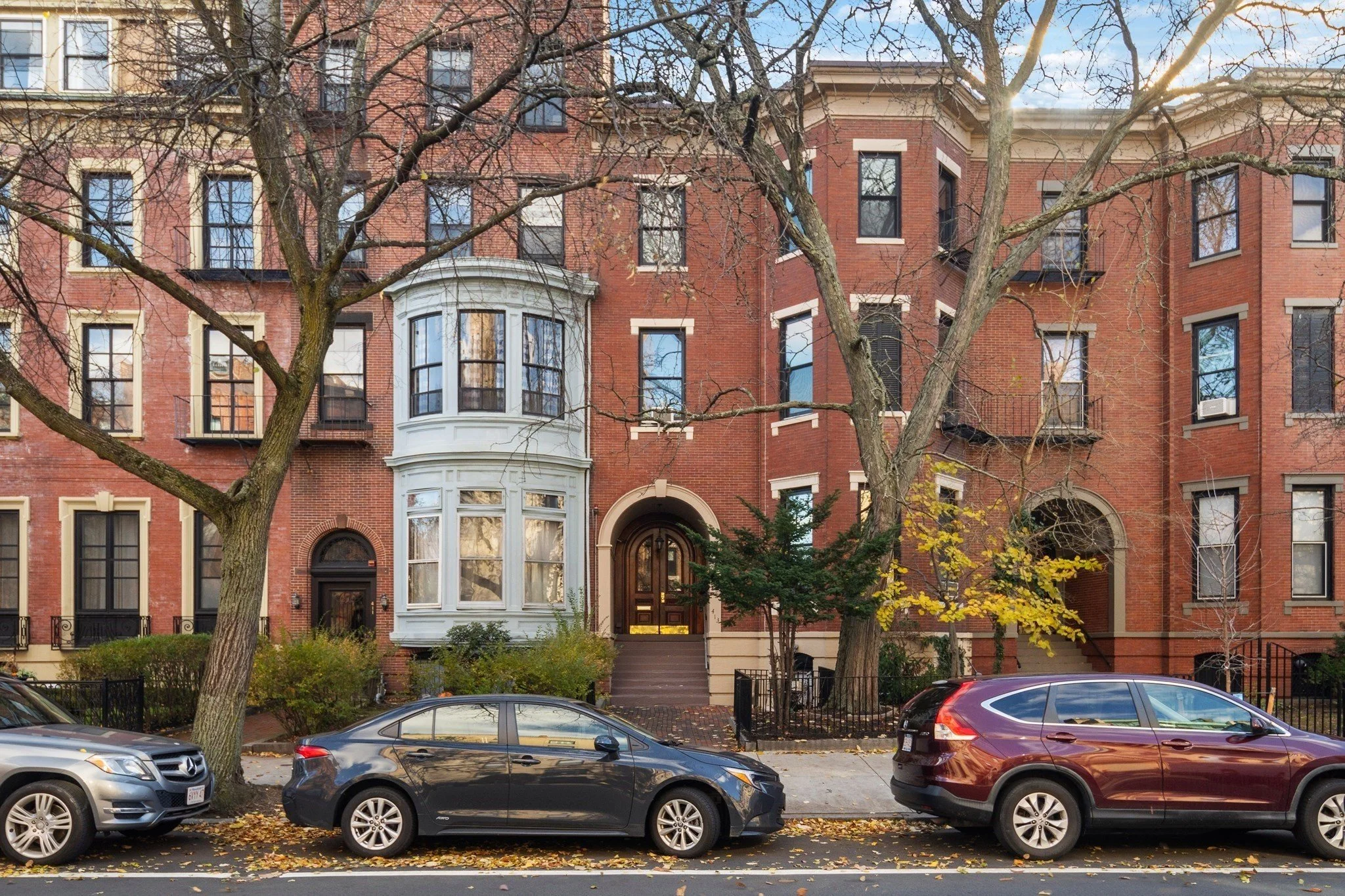
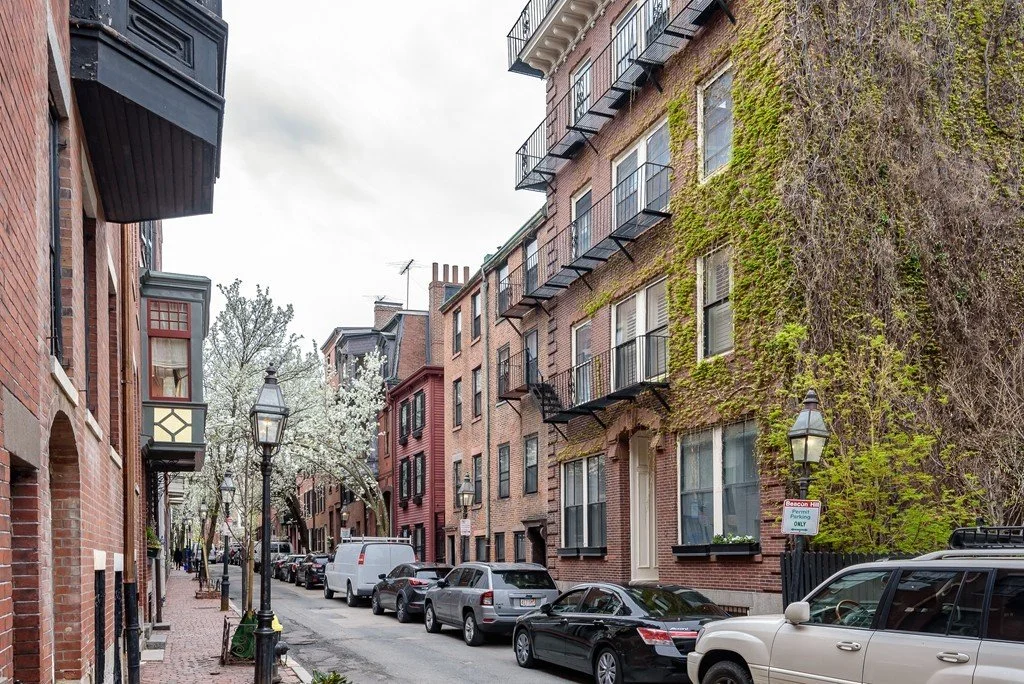
A rowhouse is very similar to a townhouse, except arranged in a continuous row along a street.
Just like townhouses, rowhouses describe the design, not the ownership. A rowhouse can exist as a condo, a single-family home, or even a multi-family property.
In dense cities like San Francisco, you’ll even find rowhouses that are legally set up as multi-family buildings - another reminder that what a property looks like doesn’t always tell the full story.
Duplex
A duplex as a style of housing is pretty self-explanatory. The word itself means "twofold" or "double", so expect two units within one structure. Duplexes could exist with units placed top and bottom, front and back, or side-by-side.
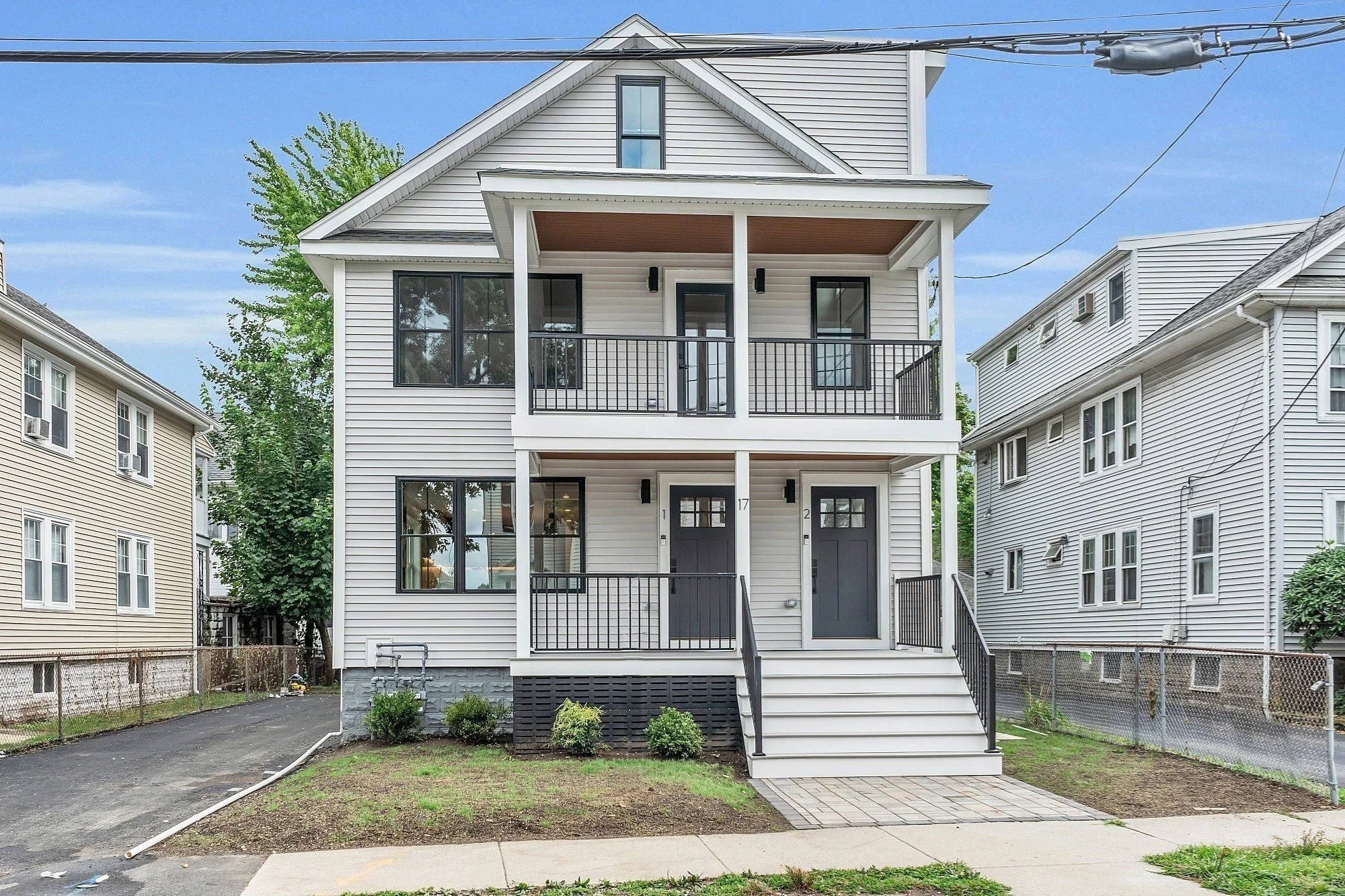
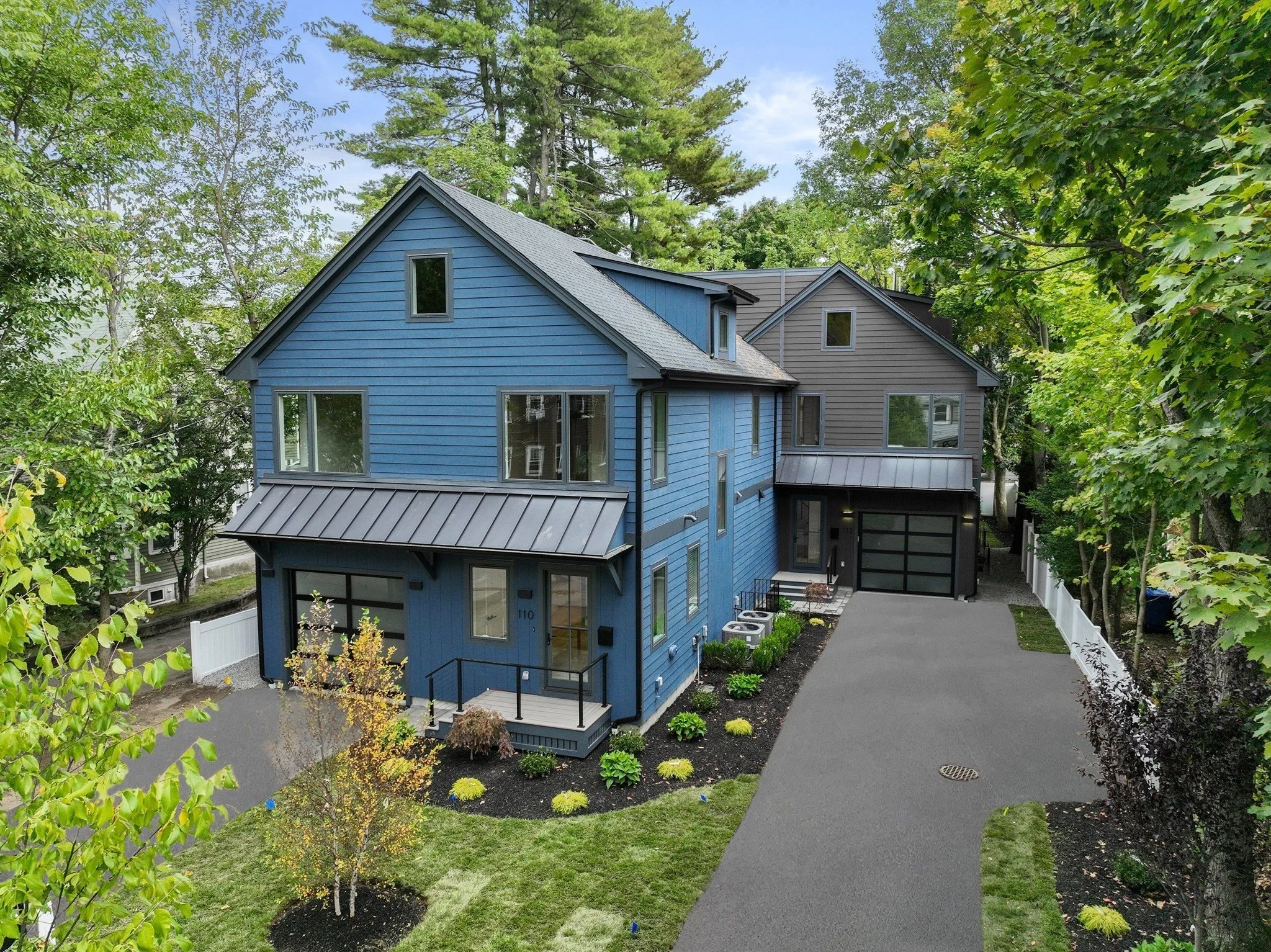
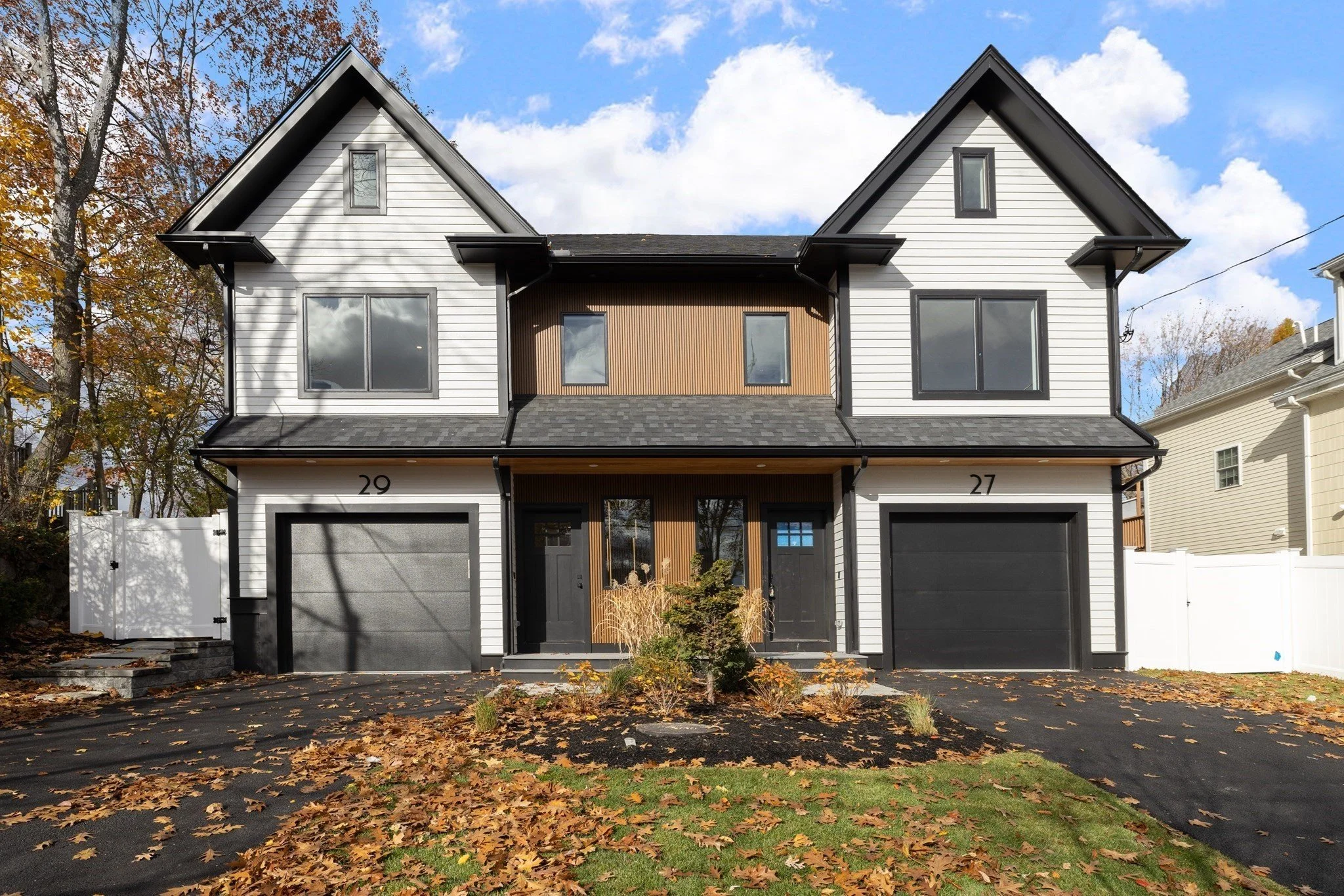
Examples of duplexes: (L) Former 2-family that has been converted to 2 condos, (M) Front and back units, (R) Side-by-side units.
5. What is an ADU home?
An ADU stands for Accessory Dwelling Unit. It is not a separate housing type. It is simply, as the term suggests, a dwelling unit that is accessory to the main structure.
ADUs are part of MA’s push to address housing shortage. As of February 2, 2025, ADUs under 900sqf are allowed "by-right" in most single-family zoning districts statewide.
ADUs may appear as one of the following forms:

ADUs do not amend a property’s ownership structure nor its zoning designation. For this reason, a single-family property with an ADU does not evolve to be a multi-family property (that could be later converted as condos).