Difference between an Agent vs Broker vs Realtor, and how you should make your selection.
Adapted from an original article by Joan Bissdorf.
Topics covered:
What is a Real Estate Agent?
What is a Real Estate Broker?
What is a Realtor?
How should one pick the best real estate professional to work with?
Have you ever been confused by the terms Agent, Broker, and Realtor? Wondered why people seemingly refer to the same profession but use these terms loosely and interchangeably?
You’re not alone; many people have wondered what the difference is between an Agent and a Broker, or a Broker and a Realtor. That was me, when I first came to the US nine years ago- back in Singapore, the only term used was “property agent”.
There are nuances between these designations, of course, so here’s a breakdown to help you understand who does what, and how these roles matter in your real estate transaction.
1. What is a Real Estate Agent?
A Real Estate Agent is someone who has taken the real estate exam and holds an active license to transact in real estate. In the US, a real estate agent has to work under a real estate broker in order for the license to be active. One cannot simply pass the exam and immediately list a house for sale.
Agents work independently, but because industry rules mandate that their license be tied to that of their supervising broker, whatever work an agent does is technically an extension of their broker (role explained in point 2).
As a client, you will probably never be introduced to, meet with, or even know that there’s a broker with whom you’re bound in a real estate transaction. As far as you’re concerned, the relationship is between you and your real estate agent.
When is a broker involved? A broker is involved when things go south and matters escalate. When a lawsuit is discussed. No broker is thrilled to be pulled into matters that they had no hand in from the beginning, but that’s just how real estate accountability is set up here in the US.
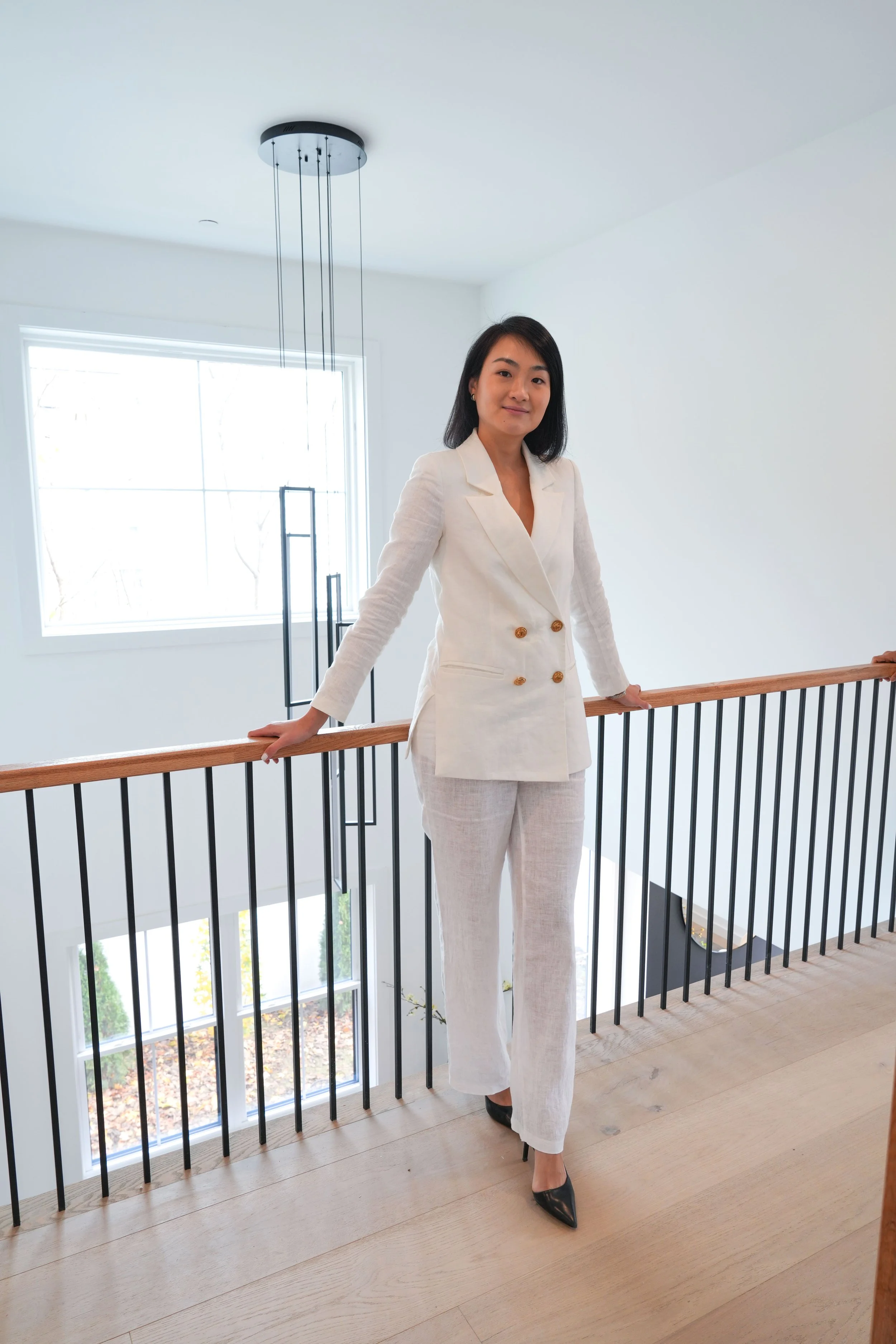





Here’s me and my team of real estate agents.
2. What is a Real Estate Broker?
A Broker possesses a higher level of licensing that (in MA) requires at least 3 years of experience as a prior agent, 40 additional hours of real estate education, and passing the broker licensing exam.
The difference between an Agent and a Broker, in simple analogy, is akin to the difference between a Teacher and a Principal.
A principal is not an entry-level profession- there needs to be a certain number of years of teaching experience before one can apply for the job. Both can teach, but the principal has a higher authority in the school.
Is a broker better than an agent? Well, are all principals better teachers? The answer is: not necessarily. Working with a broker simply guarantees that you’re working with a professional who has had at least 3 years of experience without the need to account for any measurable success.
Titles do not automatically translate to better results.
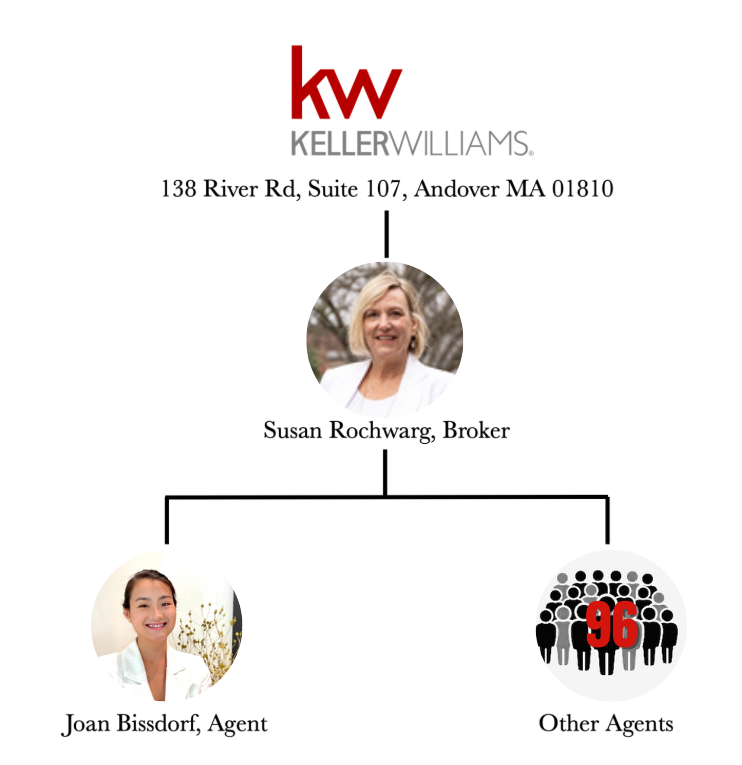
3. What is a Realtor?
A Realtor isn't a separate category that describes another real estate job scope. “Realtor®” is a trademark coined in 1915 by a trade association, the National Association of REALTORS® (NAR).
To say that one is a Realtor is to identify as a real estate professional who is a member of the NAR and subscribes to its Code of Ethics as well as professional standards that are above state licensing requirements.
Are Realtors better agents than non-Realtors? Again: not necessarily. Membership in a trade association proves neither competency nor integrity.
4. How should one pick the best real estate professional to work with?
If you’ve come to this section having read the above, the message should be clear: titles and credentials matter very little.
At the end of the day, it’s about trust and confidence in the person guiding you through the process.
So, ask yourself:
Does this person have your best interests at heart?
Is this person well-regarded by peers in the industry?
Do you identify with the values articulated in this person’s reviews?
If you’re thinking about buying or selling a home, I’m a licensed real estate agent ready for your questions.
Contact me!